

Education is a critical element in the formation of a democratic, just, developed, and self-sufficient society. Every developed nation has undergone this journey, and the faster it was accomplished, the more successful the country became. Houston’s education system has traveled a long road in its development, from small schools established by forward-thinking parents to world-renowned research centers where students from around the globe study and work. Read more on houston1.one.
The Birth of Education in a Young City
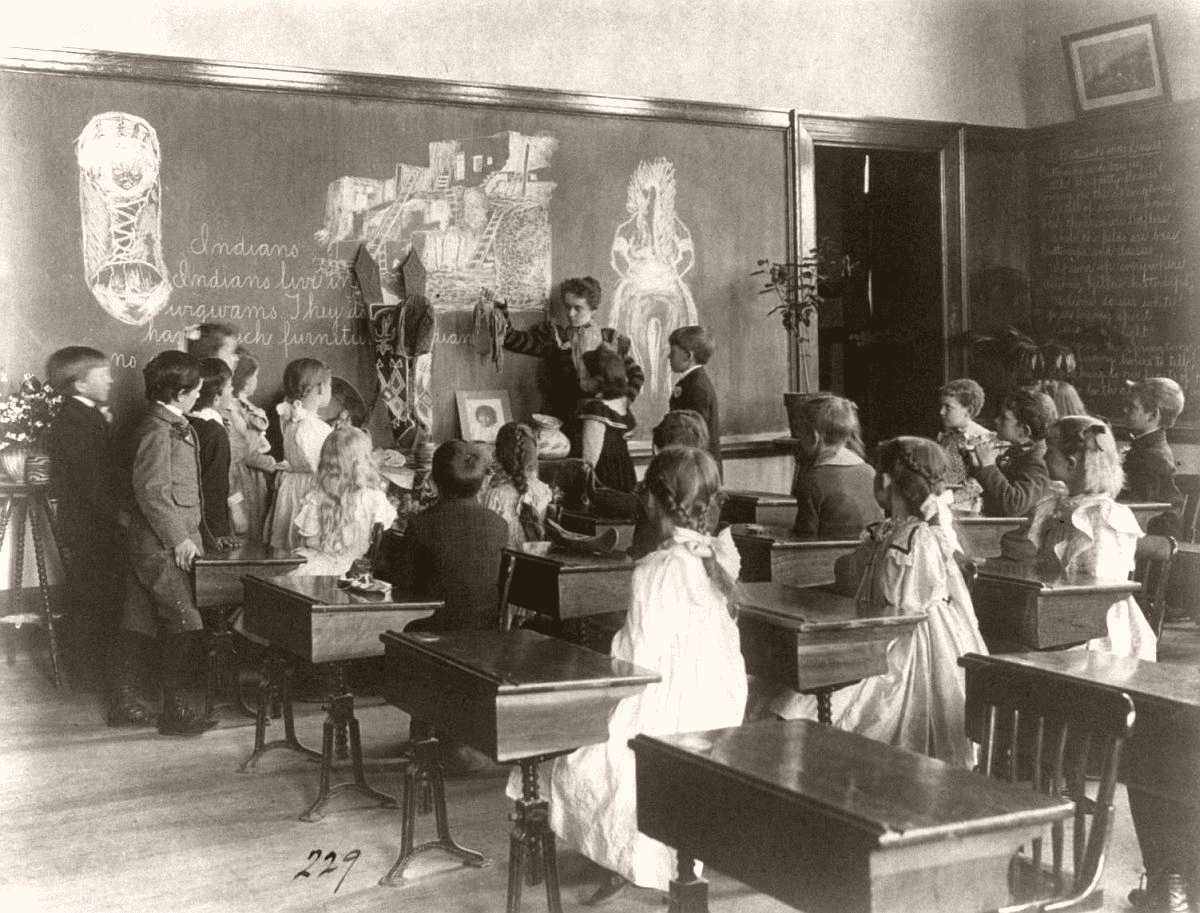
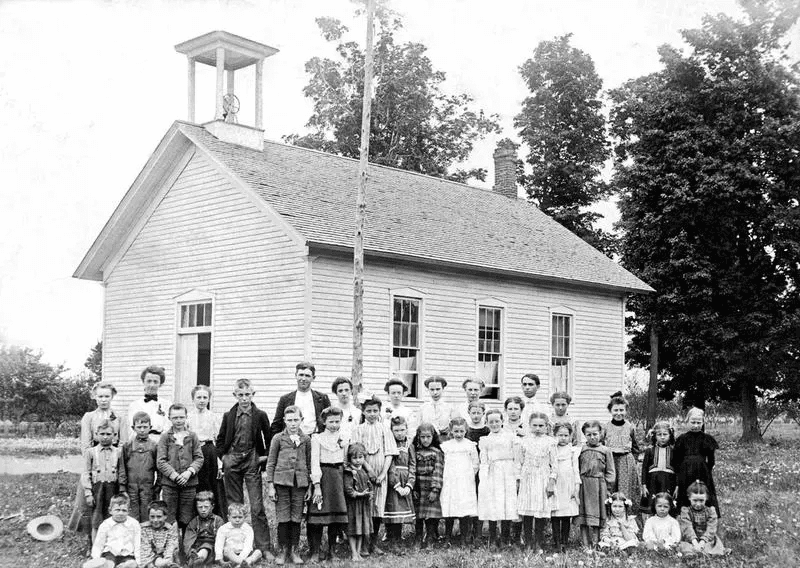
As Houston is a relatively young city, especially compared to European cities, education began to develop in the 19th century, almost immediately after the city’s founding. While these were sporadic attempts by communities to provide some form of education to children, without proper facilities or certified teachers, it marked the beginning of education in the city. Most of these early schools were initiated by churches, which provided space—typically a small, one-room building—where all children, regardless of age or knowledge level, studied together. There was a severe shortage of qualified educators, so someone from the community, appointed by the church leadership, usually took on the role of teacher. If the community could afford to pay a teacher, they would come from another state, but often did not stay long. Despite these challenges, the early seeds of education and the children’s thirst for knowledge were not extinguished. The number of schools slowly grew, and the reluctance of some parents to send their children to school diminished, leading to a pressing need for serious reform in the education system.
Major Shifts in Education
The end of the 19th century was a turning point for education in Houston. These dramatic changes resulted from the 1855 Texas state law implementing a public education system, and by 1876, the first public schools were established, alongside the creation of the Houston Independent School District (HISD), which still operates today. This allowed for the systematization and organization of education at the state level, making it accessible to all children. Teachers were paid by the state, and standardized curricula, similar to those in other states, were developed and implemented. During this period, the material conditions of schools improved, with classroom spaces expanded and students divided according to their level of prior knowledge. These innovative changes were made possible by the efforts of Houston’s visionary leaders, who recognized that the city’s strength lay in having well-educated and knowledgeable residents. Key figures such as Sam Houston and Charles Milby were instrumental in pushing for the development of education in the city. Their vision of education as the foundation for economic growth made investing in education a priority.
Early Pioneers: The Evolution of Higher Education
These factors contributed to a significant increase in the number of children attending schools. This growth, combined with Houston’s rising population, led to a substantial demand for higher education. In the early 20th century, Houston saw the establishment of its first universities. The Rice Institute, founded in 1912, was the first major university in the city. It became known for its strict rules, challenging academic programs, and cutting-edge research. Many young people from Houston and other states aspired to study at Rice. This helped Houston establish itself as an educational hub at the state level.
Shortly after, in 1927, the University of Houston was founded. Unlike Rice University, which focused on the humanities, the University of Houston became the city’s first research-oriented institution. Though much has changed since then, it remains one of the most innovative institutions not only in the region but throughout the United States.
The number of higher education institutions continued to grow. The establishment of medical colleges and universities was a significant milestone for Houston, positioning it as a global medical center in the future. Another notable event was the opening of Texas Southern University in 1927—the first university for African Americans—at a time when racial intolerance was still prevalent.
Modernization of Education
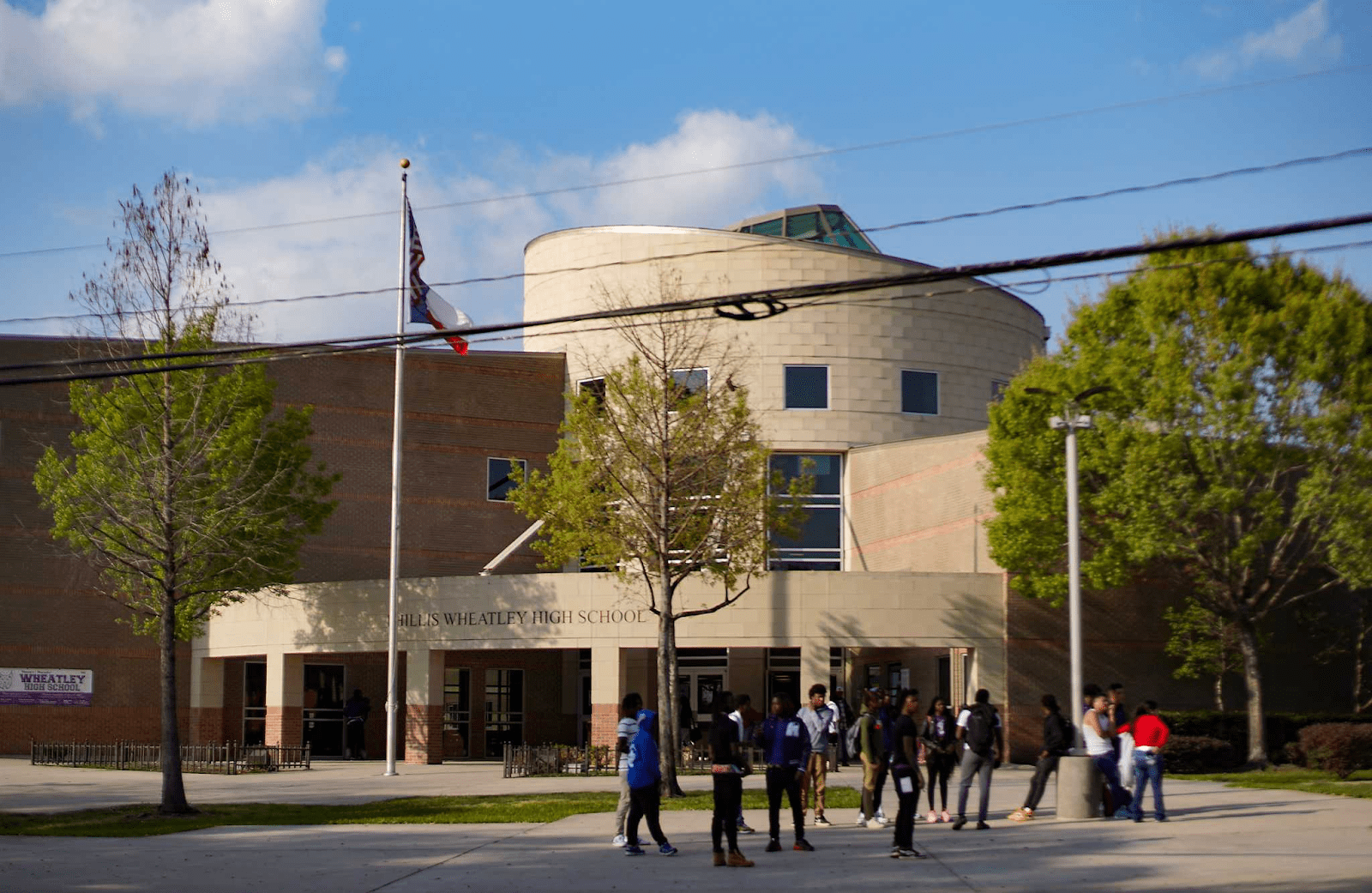
The latter half of the 20th century was marked by improvements in the education process. As Houston’s economy began to thrive, the city was able to allocate additional funds for educational projects. As a result, from the 1970s to the 1990s, educational institutions at all levels—from kindergartens to universities—were modernized and adapted to meet the needs of all students. It was during this period that the integration of students, regardless of religion or skin color, took place. Although the process was not without challenges, Houston managed to navigate it. During this time, the number of schools increased to 280, divided into three age groups: elementary, middle, and high schools. Additionally, bilingual education was introduced, as many Houston residents speak Spanish.
The beginning of the 21st century marked a boom in the establishment of private educational institutions. Although private schools existed before, it was during this period that their number grew significantly. By the early 2020s, Houston was home to over 200 private schools, not including universities.
Houston’s Education in Numbers
- The region has 60 school districts. The Houston Independent School District (HISD) is the largest public school district in Texas and the seventh-largest in the nation.
- Over 1.3 million students are enrolled in schools throughout the Houston region.
- The Houston ISD covers an area of 333 square miles.
- Houston is home to 430,000 students across 280 campuses.
- Annually, Houston graduates approximately 100,000 professionals in various fields.
- According to the National Center for Education Statistics, the region also has 50 vocational schools and business colleges.
- The city has 40 two-year community colleges and four-year universities, including 3 world-class institutions.
- 2 out of 5 elementary students in Houston meet state standards in math and reading on the STAAR test.
- Houston spends $9,827 per student annually.
- The average teacher salary is $45,630 per year.
- 34% of the city’s adult population holds a bachelor’s degree.
- Houston is one of the few cities that offers institutions for acquiring all arts-related professions.
Looking to the Future
Given Houston’s achievements in education, it is safe to say that the city is among the leaders. While challenges remain, such as overcrowded classrooms, a shortage of teachers, and low student motivation, Houston continues to move forward in improving its educational system. The city’s spirit of innovation and drive for prosperity inspire confidence that the progress of education will continue and remain at a high level.