

Houston isn’t just about oil, ports, and energy. It has a vibrant educational scene with engaging programs for children who stand out—whether for their intellectual, creative, or leadership abilities. These programs don’t just offer a chance for “smart grades”; they build an environment where every talented student is supported and empowered to move beyond the standard curriculum. Let’s delve into this topic with houston1.one.
School Hallway Stars
What makes school exciting for a child who knows their multiplication tables before the alphabet and can write complex essays in third grade? The answer lies in Gifted and Talented Education (GATE) programs. These initiatives help schools move away from a one-size-fits-all approach and adapt their curriculum to meet the needs of those whose abilities extend beyond the norm.
Giftedness isn’t just about a high IQ. It’s a broad spectrum of talents, from academic (like outstanding math or linguistic skills) to creative, leadership, and artistic. That’s why the programs must be multifaceted.
Find and Nurture
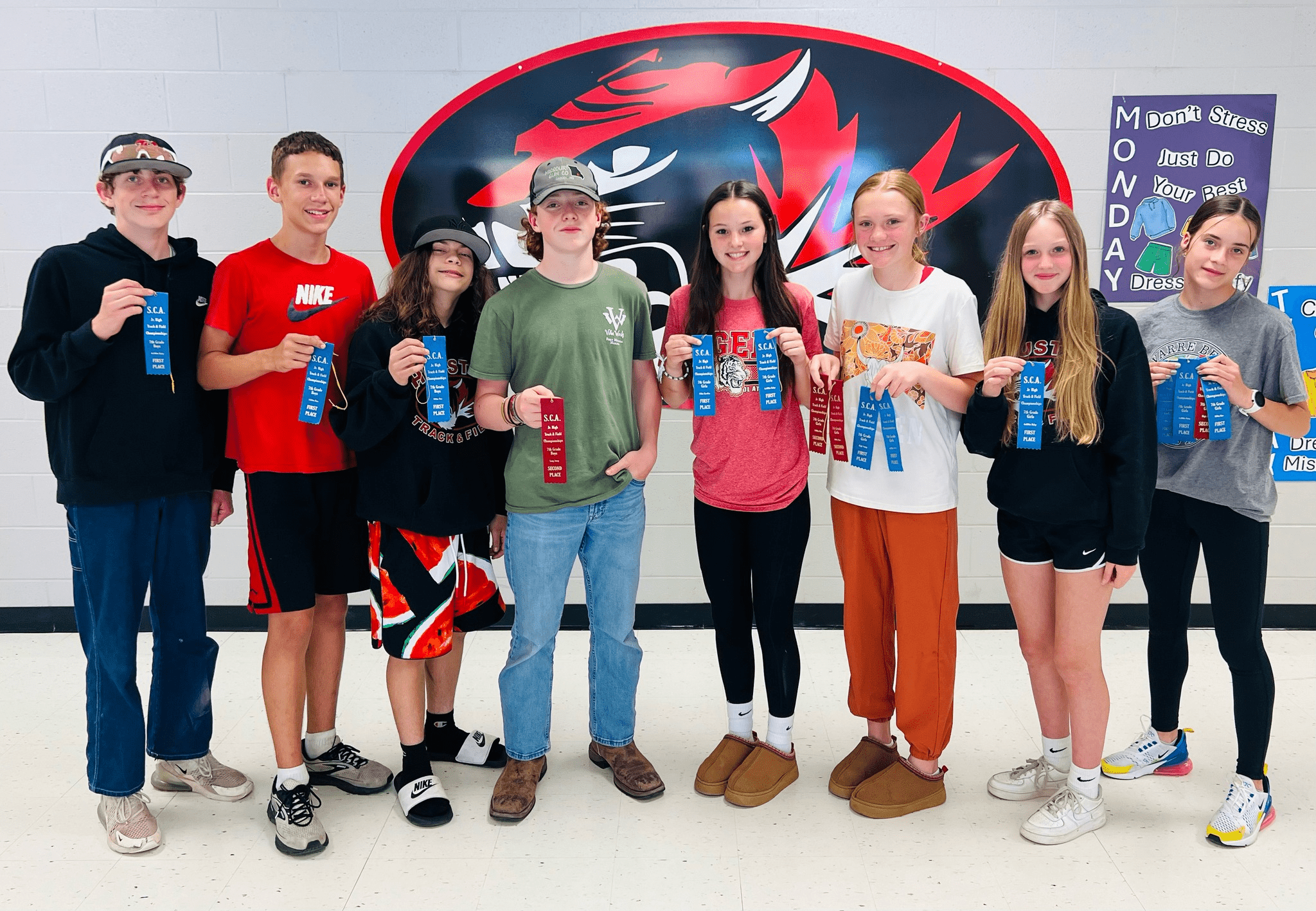
The first and most crucial step is identifying these kids. It’s not always obvious. Many school districts use a combination of methods to ensure no talent is overlooked.
Standardized Tests: These assess logical reasoning, vocabulary, and problem-solving skills. Grades and Recommendations: Teachers and parents can nominate a child based on their achievements, level of interest, and original thinking. Work Portfolios: An analysis of creative projects, research papers, or other accomplishments that demonstrate unique abilities.
This comprehensive approach helps avoid bias and provides a more complete picture of a child’s capabilities.
Key Approaches to Learning
Once a child is identified, they are integrated into a program that fits their needs. There are three main models, often used in combination.
- Acceleration: A child learns material faster than their peers or skips to higher levels. For example, a fifth-grader might take middle school math classes. This helps them stay engaged and intellectually challenged.
- Enrichment: Students are offered additional assignments that deepen their knowledge beyond the standard school curriculum. This could be specialized courses in robotics or creative writing, supplemental reading, or science projects. This approach allows kids to explore topics they’re truly passionate about.
- Grouping: Gifted children are placed in separate groups or classes for specialized instruction. This allows teachers to use more advanced teaching methods and creates an environment where students can connect and exchange ideas with peers who have similar interests.
Beyond the Classroom
Schools that are serious about nurturing talent go beyond the lecture halls. They create opportunities for students to apply their knowledge in real-world settings.
Science Olympiads and Competitions: Students present their projects and innovations, competing against other gifted children. Mentoring Programs: Experienced teachers, scientists, or professionals from local companies become mentors for young talents. University Courses: Some high school students can attend lectures and seminars at local colleges and universities, earning credits that will count toward their college applications.
These initiatives not only deepen knowledge but also prepare students for the challenges of adult life by developing essential career skills.

Houston’s School Elite
Houston’s education system has a well-structured approach to this category of students. The Houston Independent School District (HISD) has created specialized Gifted & Talented (G/T) programs. This isn’t just about extra classes; it’s a comprehensive system designed to nurture young talent and ensure they receive an appropriate educational experience.
HISD offers two main formats to help every student find their path.
Neighborhood G/T Programs: These operate in local schools, allowing gifted children to receive an enriched educational experience without leaving their familiar environment. Vanguard Magnet Schools: These are specialized magnet schools created to concentrate G/T students. Their curriculum is highly adapted for gifted children, allowing for in-depth subject study and interaction with like-minded peers.
The process for getting into these programs is carefully controlled. A special department, Gifted & Talented HISD, is responsible for identification, testing, and enrollment, ensuring objectivity and transparency. This system helps find truly gifted children and ensures their unique needs are met, allowing them to fully realize their potential.
Where Talents Find a Home
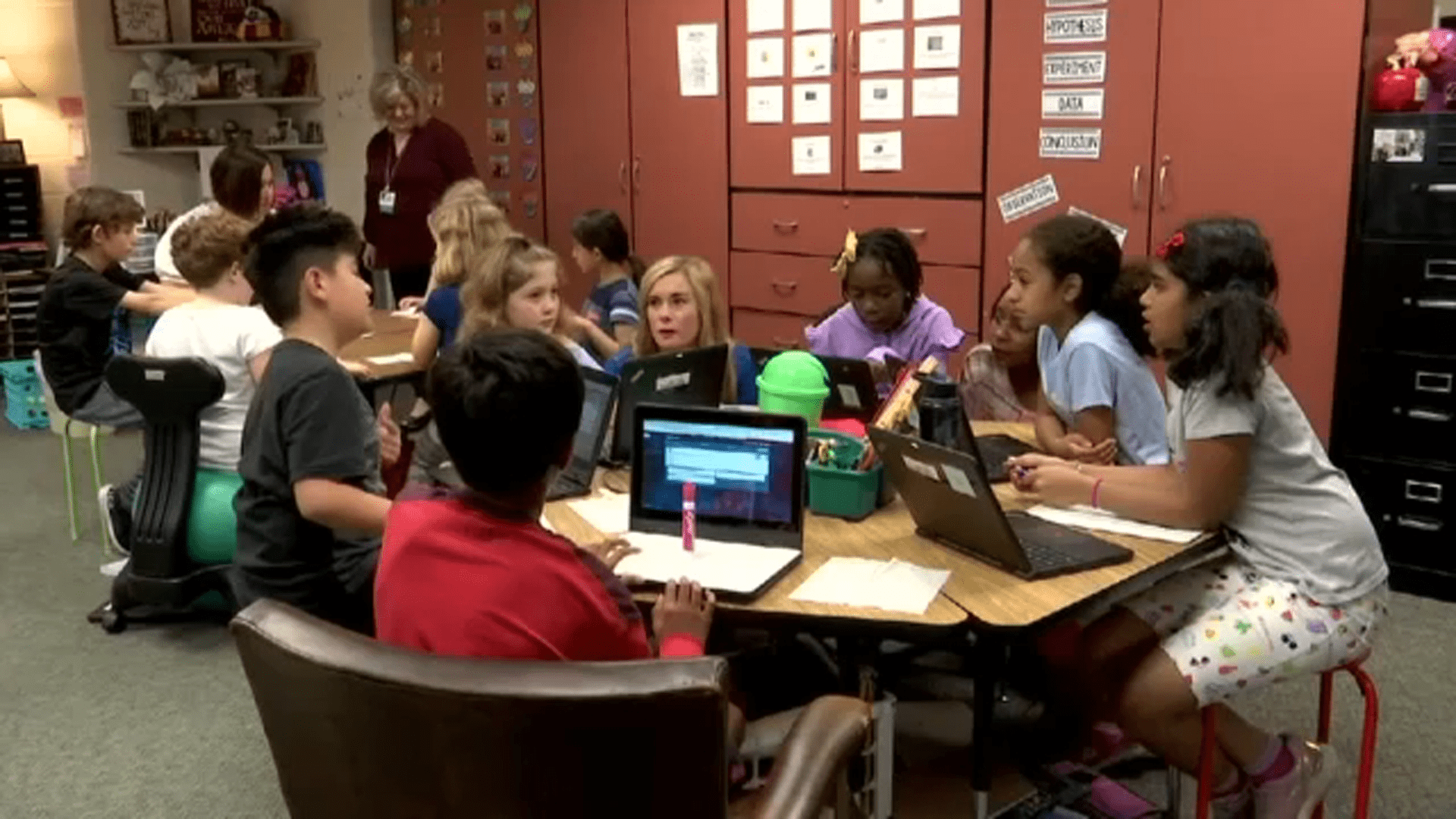
In Houston, some institutions have made working with gifted children their top priority. They go beyond standard programs, offering unique approaches to unlock the potential of young geniuses. Here are a few great examples.
Rainard School: An Individualized Approach
Rainard School for Gifted Students is a private K-8 school that specializes in gifted children. It offers individualized instruction in small classes, typically with no more than 10-14 students. This allows teachers to give each student maximum attention. A unique feature of the school is its flexible curriculum: themes change every year, and knowledge is reinforced through active field projects. The natural environment helps children learn not just at their desks, but also by exploring the world around them.
Project-Based Learning at Shadowbriar Elementary
The public HISD system also has schools known for their innovative approaches. Shadowbriar Elementary School is one of them. The school uses modern methods like project-based learning, where students work on complex tasks that require creative and critical thinking. The curriculum places a special emphasis on STEAM (Science, Technology, Engineering, Arts, and Math), which integrates different disciplines and prepares kids for future challenges.
In-Depth Learning at Rice School
Rice School/La Escuela Rice is another magnet school offering a G/T program. Its philosophy is based on the principles of depth, complexity, and acceleration. Instead of just studying more material, students deepen their knowledge of key topics. They receive assignments that encourage independent research, learning to ask their questions and find the answers. This develops their analytical skills and helps them form their own unique style of thinking.
These examples show that Houston has a whole ecosystem dedicated to creating optimal conditions for the development of children with special abilities, giving them the chance to fully realize their potential.

The Future of Education
Programs for gifted children in Houston, and across the country, are a key element of modern education. They show that schools are willing to adapt to the needs of their brightest students, rather than just following a single template. It’s a constant process that requires attention and improvement, but the results are well worth the effort.
Ultimately, the success of these programs won’t be measured by the number of students or their grades, but by how fully they help each child unlock their potential. Thanks to initiatives like these, education is becoming a true bridge between today’s talents and tomorrow’s leaders.