

Ask anyone what comes to mind when they think of Houston, and you’ll likely hear about oil, gas, space exploration, and medical innovation. And it’s true – the city is a global leader in these fields. However, beneath these powerful industrial giants lies an equally dynamic and exciting force, rapidly shaping the metropolis’s new identity. This energy is its creative economy. It’s a symbiosis of art, design, technology, and entrepreneurship that transforms Houston into an unexpected yet vibrant hub of innovation and creativity. Let’s delve deeper into this innovative economic facet on houston1.one.
Understanding the Creative Landscape
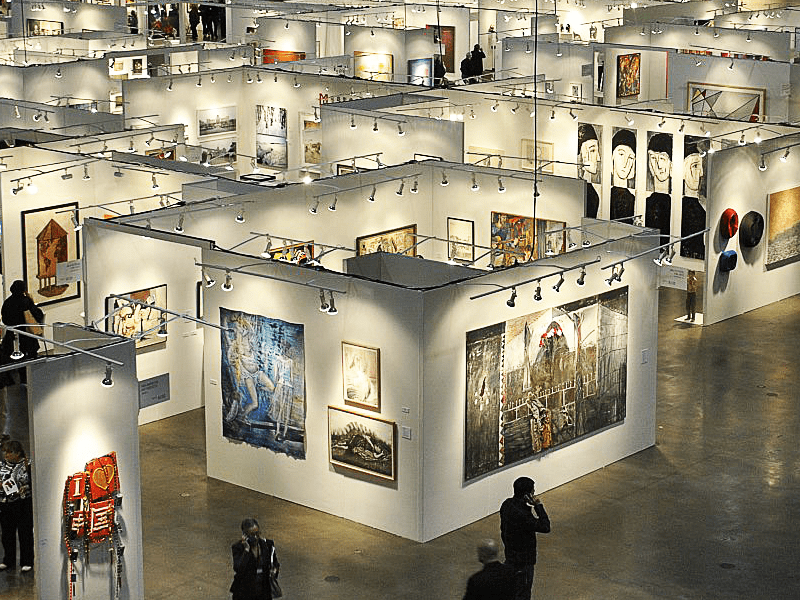
The creative economy is a sector built on creativity, intellectual property, innovation, and cultural expression. In other words, it encompasses activities where ideas, creativity, and talent become the primary resource and product. It’s not just about museums and theaters, although Houston boasts a world-renowned Museum District and a dynamic performing arts scene. It’s a much broader concept, covering industries where human creativity and intellectual property are key resources.
According to data from the Creative Economy Coalition Houston, in 2023, the creative industries sector contributed over $30 billion to the city’s economy. This field employs over 180,000 people, including designers, filmmakers, architects, musicians, video game developers, creative marketers, and even TikTok creators.
Houston ranks fourth in the U.S. for the scale of its creative economy, trailing only New York City, Los Angeles, and Chicago.
In Houston, the industries most closely tied to the creative economy include:
- Arts and Culture. The Museum District, Alley Theatre, Houston Grand Opera, Houston Ballet, and countless smaller galleries and independent artists.
- Design and Architecture. A city with unique, constantly evolving architecture and a well-developed landscape and interior design industry.
- Fashion and Retail. A burgeoning community of local designers, boutiques, and fashion event organizers.
- Culinary Innovations. Houston’s gastronomy reflects its diversity, giving birth to new tastes and concepts that gain national recognition.
- Media and Digital Technologies. Film production (from groundbreaking cinema at WorldFest-Houston to local projects), animation, game development, advertising, marketing, and publishing.
From Canvas to Pixel
Houston’s creative economy isn’t limited to traditional art forms. It penetrates industries that might seem far removed from the paintbrush and the stage.
- Architecture and Urban Planning. Houston, known for its dynamic growth and unique skyline, serves as a playground for architectural experimentation. Renowned architectural firms operate here, not only creating iconic buildings but also reimagining urban spaces, making them more aesthetically pleasing and functional.
- Gastronomic Boom. Houston’s culinary scene is arguably one of the most vivid manifestations of its creativity. Thanks to incredible ethnic diversity, unique fusion concepts are born here, and local chefs regularly win prestigious awards, transforming food into art.
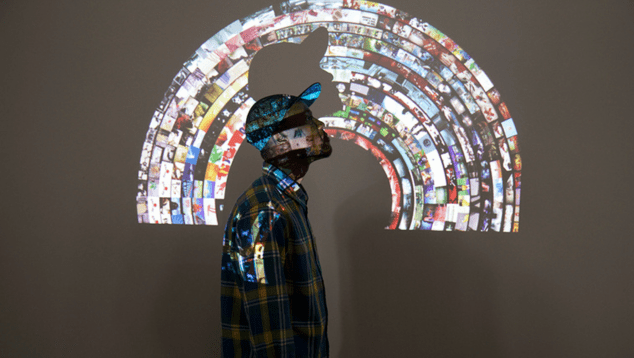
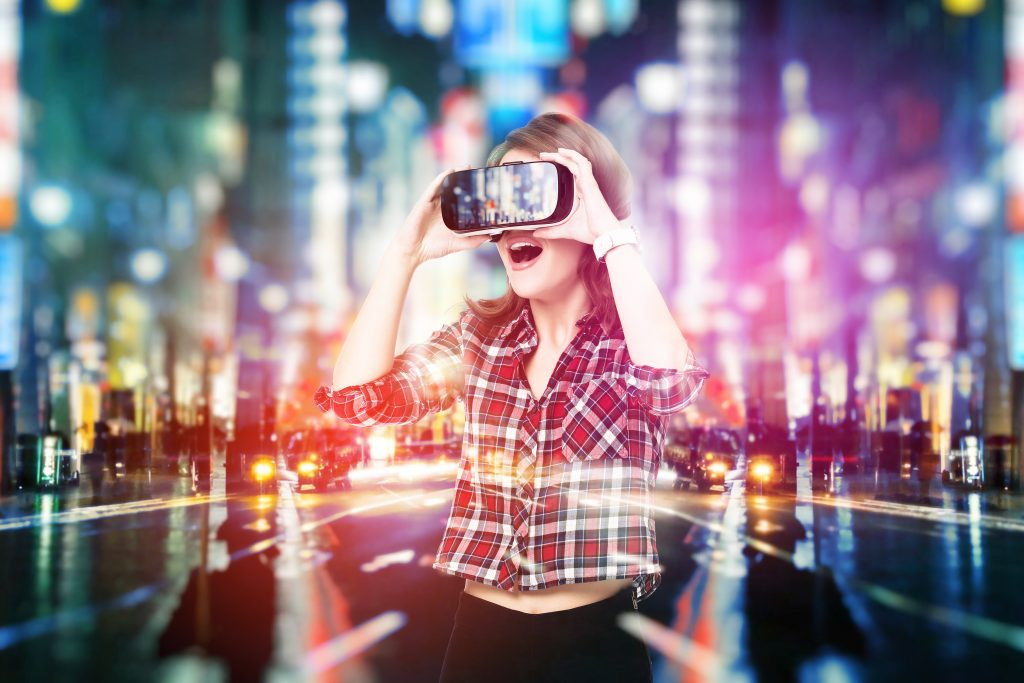
- Digital Creatives. There’s a growing number of studios specializing in developing video games, animated shorts, and virtual and augmented reality experiences. They create content not just for entertainment but also for education, medicine, and industry, demonstrating how creativity can be integrated into the most complex technical fields.
How Houston Fuels Creativity
This creative boom isn’t a coincidence. Many institutions here contribute to the development of the creative economy, supported by a well-established ecosystem:
- Universities and Educational Institutions. City universities like the University of Houston and Rice University offer programs in architecture, design, media, and arts, nurturing new talent.
- Incubators and Accelerators. Specialized support centers are emerging for startups in creative industries, providing space, mentorship, and access to funding.
- Grants and Funds. Local foundations and grant programs actively support artistic and cultural initiatives, ensuring the viability of projects.
- Cultural Institutions. Powerful museums and theaters not only attract tourists but also serve as venues for collaboration and development for local artists.
Economic Impact and the Future
Houston’s creative economy is a significant source of jobs. It attracts talent, fosters urban revitalization, and shapes a unique city image that extends beyond traditional associations. It makes Houston appealing not just for business but also for living, drawing in young professionals and investors who seek a dynamic and culturally rich environment.
This sector is crucial for diversifying Houston’s economy, making it more resilient to fluctuations in traditional industries. It demonstrates that the city’s true strength lies not only in its natural resources but also in the inexhaustible potential of human imagination and creativity. Houston may be the “energy city,” but increasingly, it’s becoming the “city that generates ideas,” paving the way for a creative future.