

Anyone walking through Houston today sees a modern, bustling city. But few people stop to think about how law enforcement worked when the city was just getting started. Let’s take a look at the history on houston1.one to understand how sheriffs and officers kept the peace in Houston over a century ago. It was an era full of contrasts, brave officers, and tough methods that seem unbelievable today.
At the Edge of Two Worlds
In the early 20th century, Houston was booming thanks to the oil rush and the railroad. The city became a true “melting pot” of industrialization, attracting both entrepreneurs and criminals. Back then, the local police force wasn’t the modern, centralized agency we know today. Up until the 1910s, law enforcement was managed by the Houston City Marshal, who led a small team of assistants. These men often lacked formal training, and their methods were direct and sometimes brutal.
Imagine the scene: a sheriff chasing a crook. He wasn’t wearing a bulletproof vest, didn’t have a radio, and his only gear was a revolver and a badge that symbolized his authority. One of the most famous sheriffs of that time was Stephen Edwards. He became known for his ability to quickly solve burglaries and break up conflicts in areas dominated by saloons and gambling houses. His authority was built not just on the law but on his sheer force of personality.
The Dawn of Technology and Reform
Around the 1910s, major reforms began. The Houston Police Department (HPD) was created. This was a huge leap forward. The police got their first cars, which allowed them to respond to calls faster and patrol larger areas. Before that, officers got around on foot or on bicycles. In addition, the first telephone lines were installed, which significantly improved coordination between precincts.
In the 1920s, during the Prohibition era, the Houston police faced a new challenge: bootlegging. Officers had to fight against speakeasies and criminal gangs. This was an extremely difficult and dangerous time for law enforcement. Some officers took bribes, while others faithfully performed their duties. For instance, Officer Johnson became a legend when he single-handedly exposed and shut down one of the largest moonshine operations in the Houston area.
Here are a few facts that illustrate the daily routine of those officers.
- Manual Records. Fingerprints were taken and classified by hand. Obviously, there were no digital databases yet, so paper cards were stored in special filing cabinets.
- Dress Code. Uniforms were mostly standard, but not as unified as they are today. Officers wore wool suits, heavy boots, and distinctive hats.
- Lack of Training. Recruits received minimal instruction, often just a few weeks of firearm training and basic arrest procedures.
Female Officers and Racial Issues
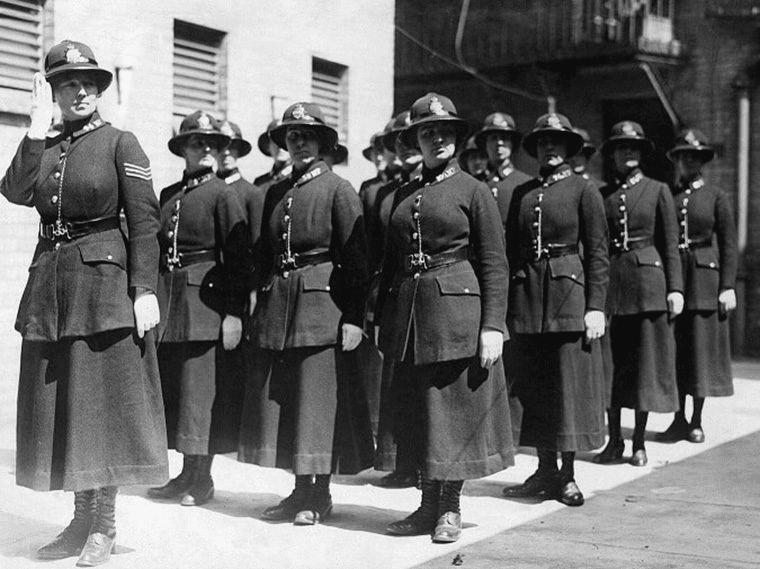
In the early 20th century, law enforcement in Houston, like in many American cities, was almost entirely male and white. But even then, small but important changes were happening. The first women began to join the department, though their duties were severely limited. For example, they often worked with female inmates or handled cases involving children. These “police women” (as they were called) didn’t patrol the streets or get into shootouts, but their presence symbolized a slow breaking down of gender barriers.
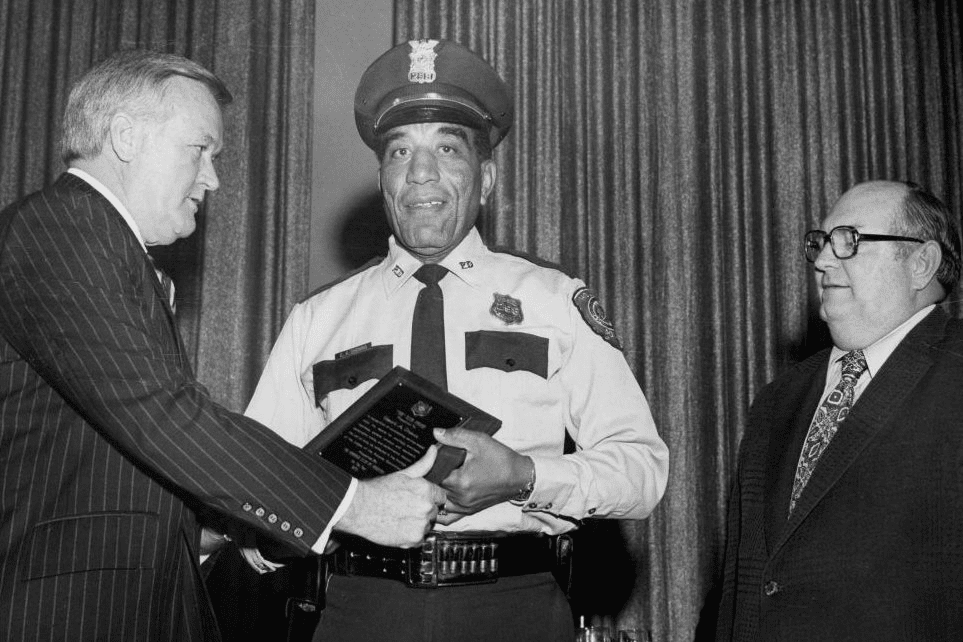
The issue of racial prejudice was much deeper. Black officers didn’t start appearing in the Houston police force until the 1940s. Before that, Black communities often faced discrimination, and law enforcement didn’t always provide them with proper protection. This inequality led to tension and mistrust between the police and a segment of the population. While the police were officially supposed to protect everyone, in reality, this didn’t always happen. These early years were a time when law enforcement operated in a society where racial and social divisions were extremely pronounced, and this certainly impacted their work and public perception.
The Transition from Past to Present
The history of the Houston police over a century ago is a story of evolution from informal methods to a professional structure. It was a long and difficult journey, accompanied by numerous challenges related to city growth, technological progress, and social changes. The police officers of that era were true pioneers who paved the way for future generations of law enforcement.
| Aspect | Houston Police (Over 100 Years Ago) | Modern Houston Police (For Comparison) |
| Organization | Small groups led by a city marshal; later, the HPD was created. | Highly centralized department with a clear hierarchy. |
| Transportation | Mostly on foot, bicycles; later, the first cars appeared. | Fleet of modern vehicles, helicopter division. |
| Communication | Telephone lines; face-to-face communication. | Radio, digital communication systems, electronic databases. |
| Equipment | Revolver, badge. | Pistols, bulletproof vests, body cameras, tactical gear. |
| Training | Limited, mostly practical instruction. | Extensive academy courses, continuous training. |