

The United States is well-known for its dedication to advancing education as a cornerstone of societal progress. It’s no surprise that a large number of U.S. universities consistently rank among the best in the world. Achieving this took a considerable amount of time. Education in Houston also boasts a rich and dynamic history, evolving from the first schools in the 19th century to the establishment of leading universities. The local educational system has journeyed from small classrooms to innovative, world-class educational complexes. Learn more about this process in detail on houston1.one.
Early Years: The Birth of the Education System
The largest city in Texas was founded in 1836. Naturally, upon its inception, an organized public education system was out of the question. In those early years, city residents had to rely solely on homeschooling or private schools. These schools were typically established with the support of community groups or religious organizations.
Between 1838 and 1877, Houston only had small private schools, which charged tuition for every enrolled child. One of the very first of these schools was called “The School House,” was two stories tall, and was located on Travis Street. Over time, the number of small private schools only grew.
Most of them were short-lived and were soon replaced by new ones. The first official educational institutions included:
- A school for males;
- A city school for females;
- A classical school;
- The Houston Female Seminary;
- The first Houston Academy.
The Push for Free Public Education
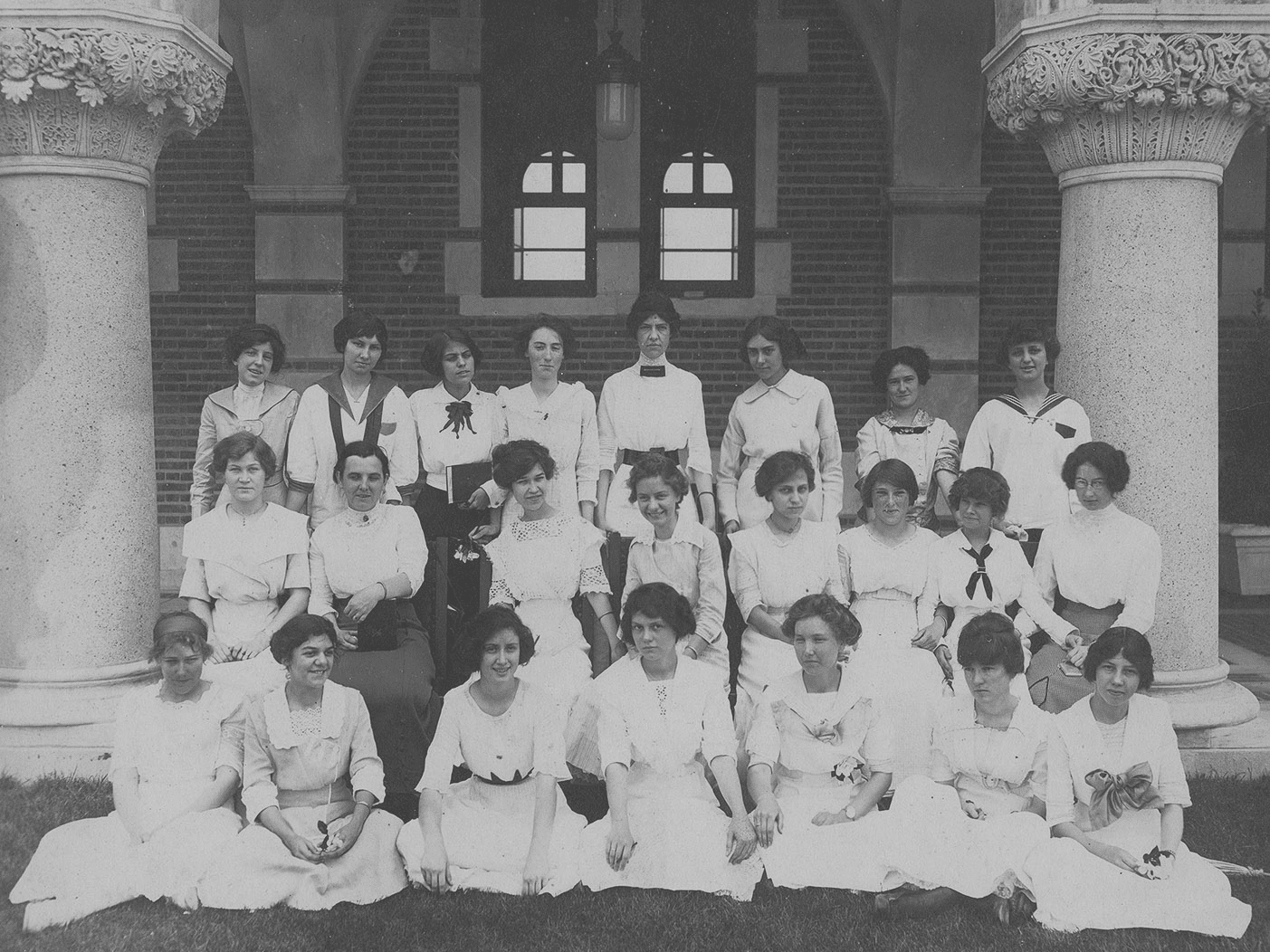
Across the United States, the movement for free public education gained significant momentum in the 1870s. Houston, of course, was no exception. Thanks to the active and positive developments during this movement, the Houston City Council began offering free schooling for children aged eight to fourteen as early as 1877.
As a result of these educational changes, the new school system comprised one high school, two grammar schools, and five elementary schools for white children. There was also a “colored school” in each ward of the city for other students. This marked the beginning of a new era in Houston’s education system.
Expanding Opportunities
These radical innovations in education contributed to a significant population boom in Houston. Over the next 20 years, up to 1900, the city’s population grew fivefold. Predictably, the demand for public schools increased as well. While only 5,500 students were enrolled in city schools by 1890, the number of schools and children doubled by the turn of the 20th century.
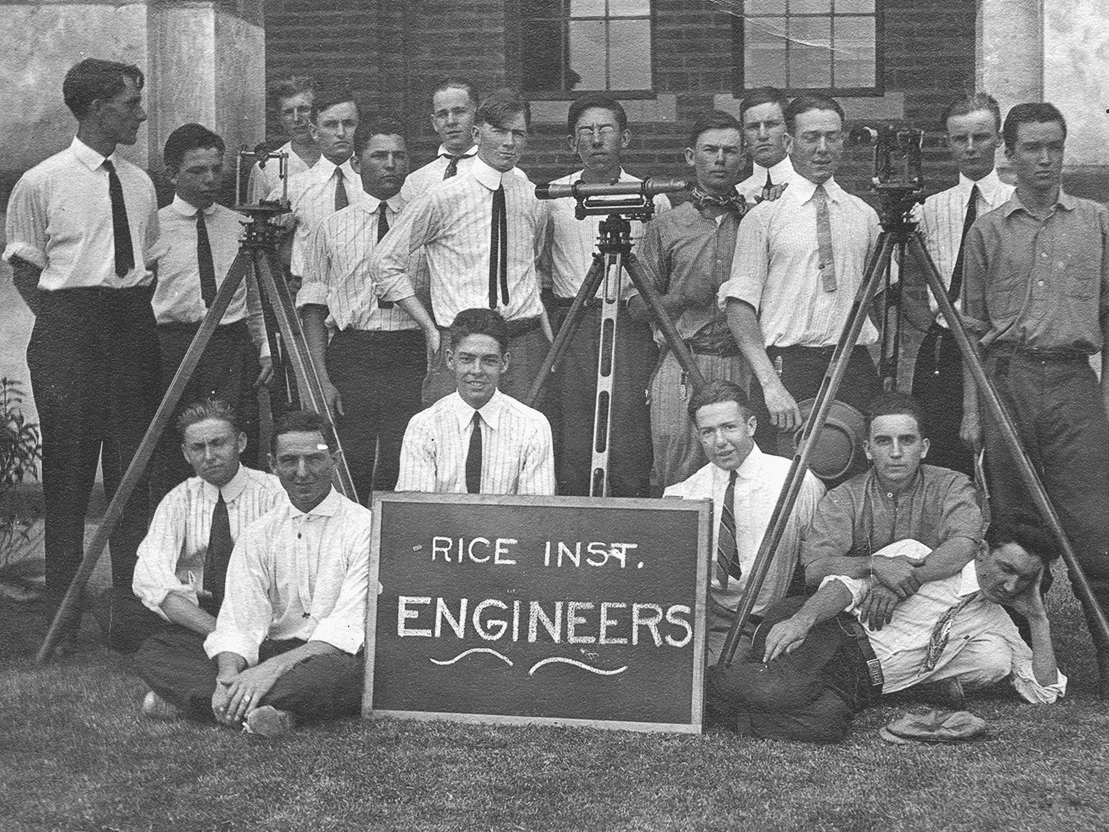
This population growth also fueled Houston’s economic expansion. The revenues the city earned from the development of the oil industry and the cotton trade brought much-needed funds into the city treasury. Money was allocated for the construction of new educational institutions that were greatly needed in the region. During this period, exactly 20 years apart, Houston saw the founding of Strake University (later renamed the University of St. Thomas) and then Rice University. Both institutions were private.
The Rise of Houston’s Higher Education
In 1927, the largest public school system in Texas, now known as the Houston Independent School District (HISD), established the first colleges in the city. Eventually, the Houston Junior College (for white students) evolved into the University of Houston. The Houston College for African-American Students later transformed into Texas Southern University.
These institutions were integrated into the state system of higher education in 1963. Later, in 1977, the University of Houston System was founded, which encompassed four distinct universities:
- University of Houston,
- Texas Southern University,
- University of Houston–Clear Lake,
- University of Houston–Downtown.
This system is the fourth-largest university system in Texas, serving over 70,000 students. The flagship institution is considered to be the University of Houston, which has changed its name several times throughout its existence.
The Modern Education System
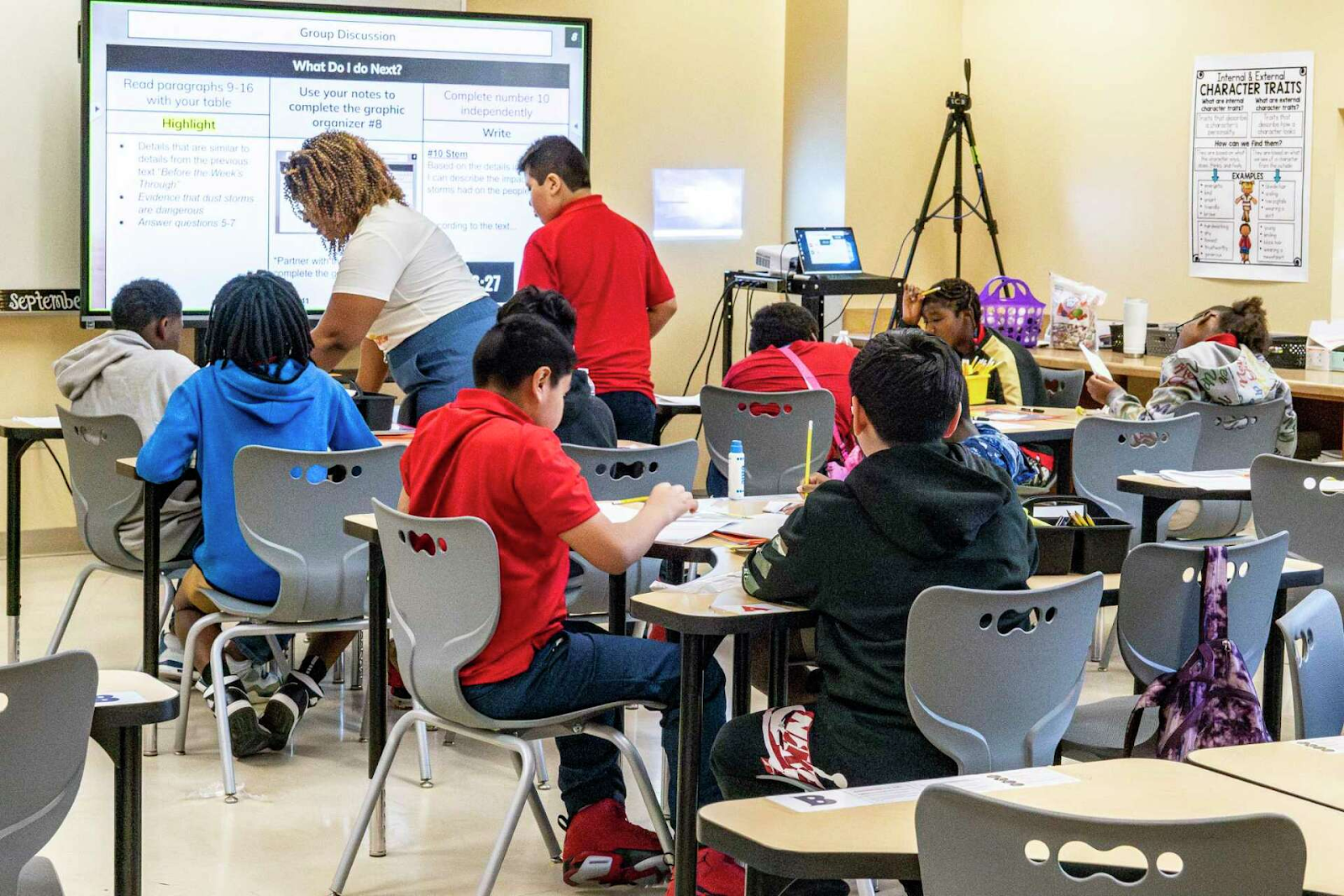
Today, Houston boasts an extensive education system that covers all levels of learning—from primary to higher education. Each level operates through its own structure, which includes multiple institutions.
Houston’s education also faces various challenges:
- Inequality and socioeconomic factors.
- Linguistic diversity.
- Disparities in school funding.
- The need for access to quality education for low-income families.
- Teacher recruitment and retention.
- Student mental health and well-being.
This list could go on. However, the city is actively working to address these challenges and create new opportunities. Houston’s modern education system is robust, flexible, and diverse, encompassing public and private schools, prestigious universities, and specialized learning institutions.
The city continues to refine its education system, ensuring students and pupils have the opportunity to receive a quality education.
The history of education in Houston demonstrates a gradual progression from private schools to a powerful and well-developed system of educational institutions. In the 19th century, education was limited, accessible only through homeschooling or private academies. The advent of free public education in 1877 was a key turning point, opening doors to all children.
Throughout the 20th century, population growth and economic development spurred the creation of new schools, colleges, and universities. The establishment of the University of Houston and other institutions cemented the educational system’s foundation. Modern Houston boasts a sophisticated, flexible education system that strives to overcome challenges and ensure access to learning for all demographics.