

The history of Houston, like that of many cities in the American South, is deeply intertwined with the issue of racial discrimination. This article on houston1.one focuses on how racism has impacted employment opportunities for various groups. We’ll explore key moments, from the segregation era to modern-day challenges, based on historical facts.
The Era of Segregation
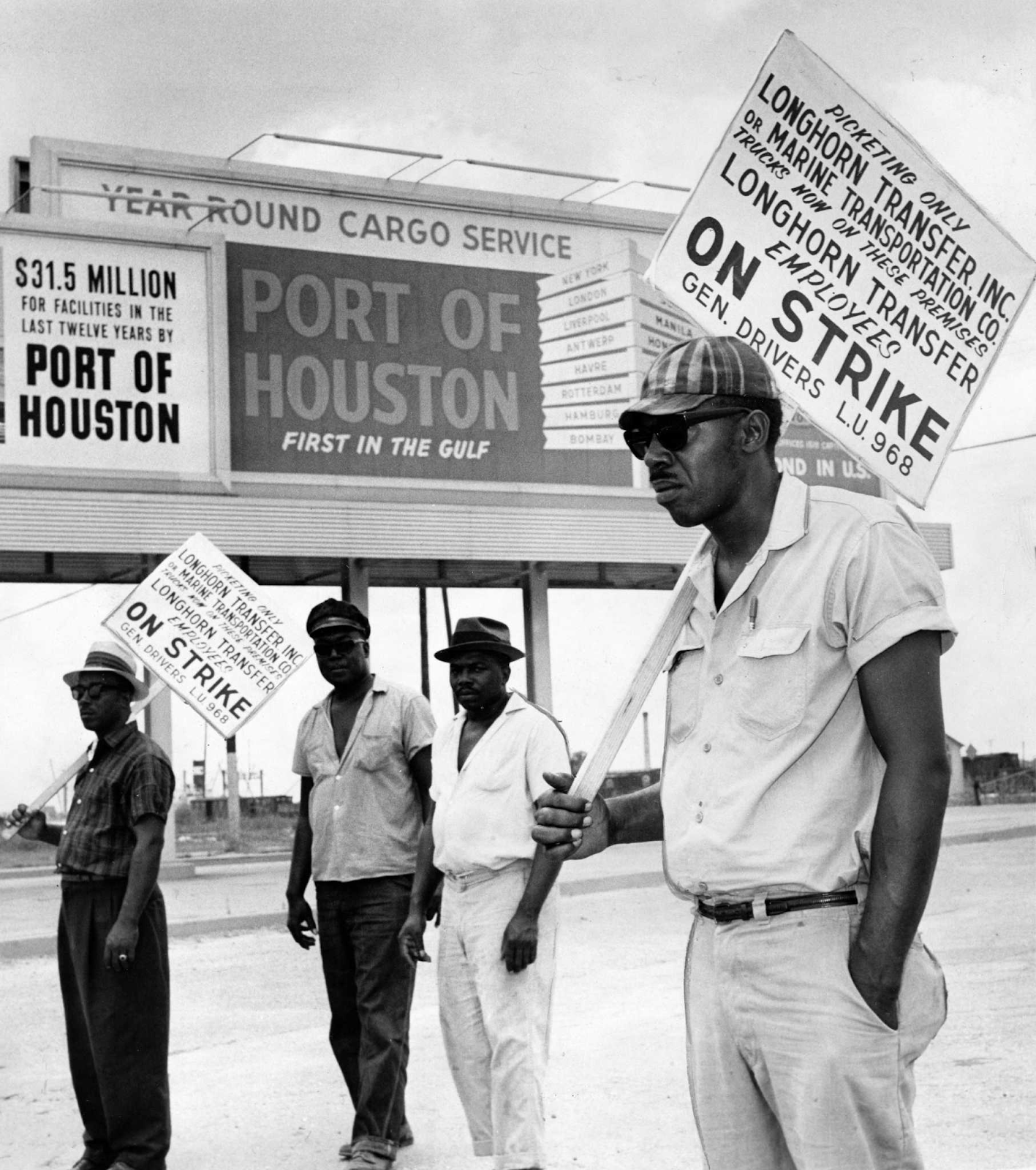
Until the mid-20th century, Jim Crow laws codified racial segregation in all areas of life, including the job market. African Americans, who constituted a significant portion of the city’s population, were relegated to low-paying and less prestigious jobs. This included what were known as “black jobs”—domestic work, service roles, and physically demanding labor in factories or ports. White workers, even those with fewer qualifications, were given priority for better positions.
This discrimination was evident on multiple levels.
- Education and Qualifications. The quality of education for African Americans was inferior, which limited their ability to get skilled jobs. Niche professions, such as lawyers, doctors, or engineers, were nearly inaccessible to Black people. Even those who managed to get a higher education often couldn’t find work in their field and were forced to take jobs as janitors or service staff.
- Unions and Rights. Many labor unions in Houston had racial restrictions, either not allowing Black members or creating separate “Black unions” that lacked the influence and couldn’t effectively protect their members’ rights. This denied African Americans the chance to fight for better working conditions, higher pay, and benefits.
- Public Discrimination. Job advertisements often contained direct racial requirements, excluding certain groups from even applying. For example, newspaper ads might include phrases like “white worker wanted” or “for whites only.”
It’s also worth noting that Houston, like other cities across the United States, was heavily affected by redlining. This practice was widely used in the 1930s and 40s as a systemic tool to reinforce racial and economic inequality. The Home Owners’ Loan Corporation (HOLC) created city maps that classified neighborhoods based on investment risk. Areas with a large percentage of African American and other non-white residents, such as Houston’s Third Ward and Fifth Ward, were marked in red (hence the name “redlining”) as high-risk zones. This meant that banks and other financial institutions would refuse to provide residents in these areas with mortgage loans, insurance, or other financial services, even if they had a stable income.
This practice had far-reaching consequences. It made it virtually impossible for Black families to buy their own homes, which is a primary way to build wealth in the U.S. Without access to real estate loans, these communities couldn’t invest in their homes or start new businesses.
This led to a significant limitation on economic development and deepened poverty in neighborhoods already struggling with job market discrimination. Redlining has left a legacy that continues to manifest in the wealth gap between white and Black Americans, a key factor in modern racial inequality.
This system not only restricted economic opportunities for African Americans but also created a society where equality was a mere formality and access to basic rights depended on the color of your skin.
The Post-War Period and the Civil Rights Movement
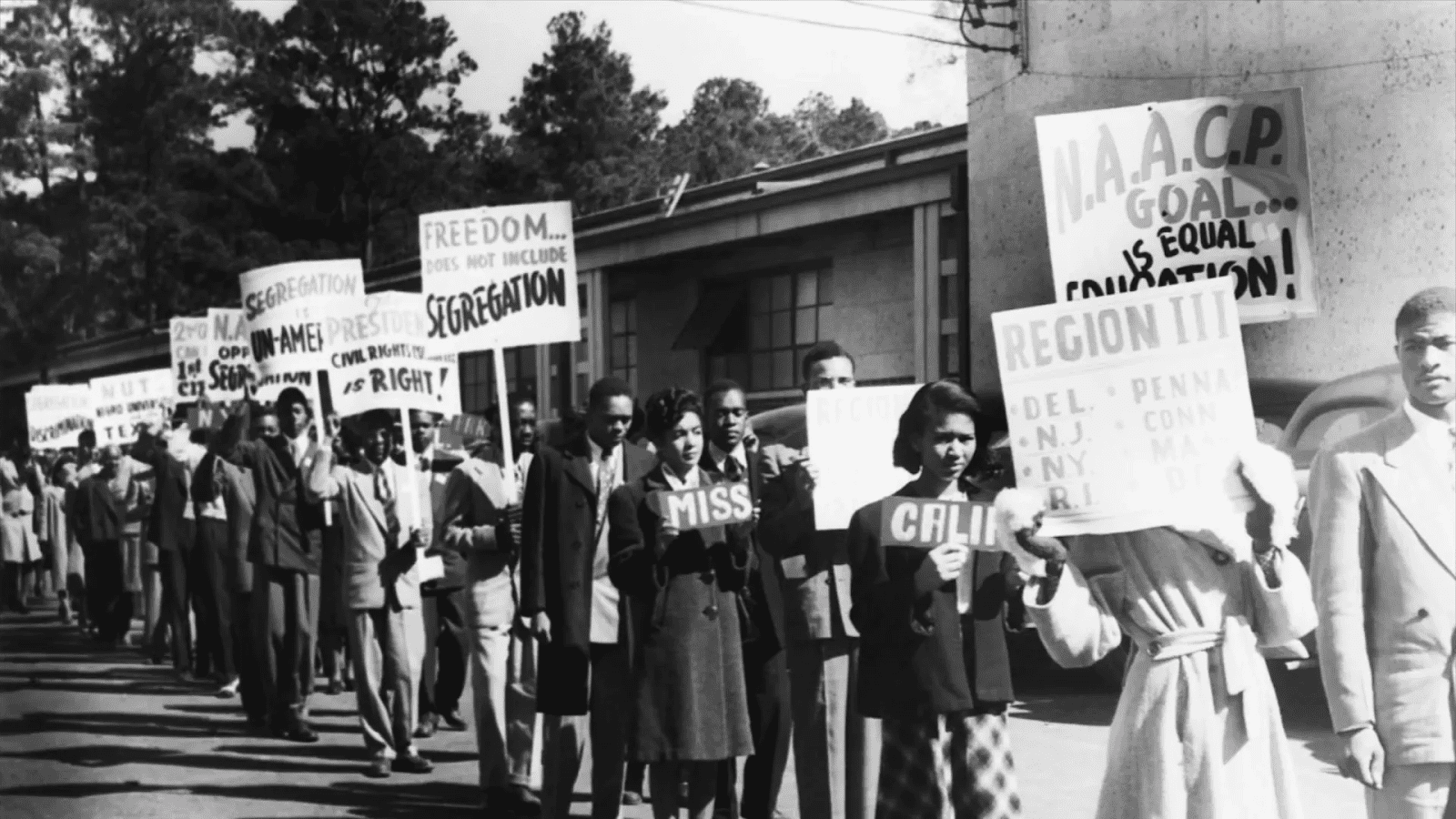
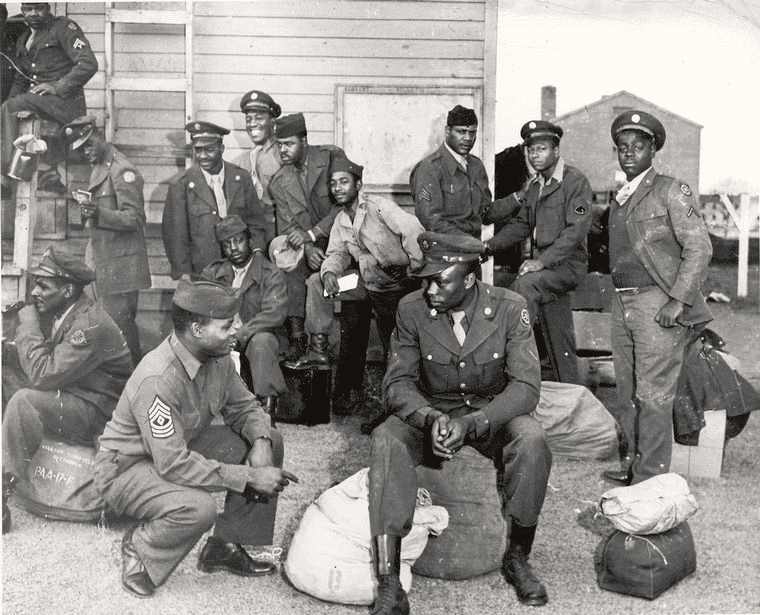
Following World War II and the rise of the Civil Rights Movement, the situation for Black Houstonians began to change, but very slowly. Although many African Americans served in the military, their hopes for equal employment opportunities upon returning home were often unfulfilled. They had to compete for jobs in a market that was still racially divided.
The G.I. Bill of 1944, which was meant to help veterans get an education and housing, was typically ignored by local officials and educational institutions in Houston. Black veterans had significantly less access to funding for higher education or home purchases, which directly affected their ability to get better, higher-paying jobs.
The situation only began to change dramatically after key federal laws were passed in the 1960s. The most significant was the Civil Rights Act of 1964, which prohibited discrimination in employment based on race, religion, national origin, and sex. This law was a turning point that opened the door to professions that were previously inaccessible.
On paper, the law allowed Black workers to apply for positions that were previously held exclusively by whites. However, despite these legislative changes, the practice of racial bias persisted. In the 1970s, as Houston’s oil and gas sector boomed, many African Americans continued to face obstacles. They were often paid less for the same work as their white colleagues and were rarely promoted.
Furthermore, white workers regularly resisted workplace integration, which led to tension and conflict. Despite the legal ban, many companies continued to use informal mechanisms to limit the advancement of Black employees, creating a so-called “glass ceiling.”
Consequences and Modernity
While the situation in Houston today is much better than it was 50 years ago, the consequences of this historical inequality are still tangible. This is evident in the income gap and the underrepresentation of Black Americans in leadership roles and certain high-paying industries. The fight for equality in the job market is a complex process that requires not only laws but also the overcoming of deeply ingrained stereotypes and biases.
While racial inequality in employment has taken less overt forms, it still exists. Studies show that in Houston and across the country, African Americans and Hispanics have fewer opportunities to get high-paying jobs. This is due to several factors:
- The Legacy of Historical Injustice. The intergenerational wealth accumulation that was denied to the Black population in the past continues to affect their economic mobility.
- The Glass Ceiling. Even with the necessary qualifications, members of minority groups often face difficulties in climbing the career ladder.
- Unbalanced Representation. Some industries, such as tech and financial services, still have a low level of racial diversity in leadership positions.

The Evolution of Racism in Houston’s Job Market
| Period | Dominant Form of Discrimination | Examples | Result |
| Pre-1960s | Legal Segregation | Jim Crow laws, restrictions on union membership | Limited access to high-paying jobs for minorities |
| 1960s–1980s | Hidden Discrimination | Unequal pay, “glass ceiling” | Slow advancement in employment for African Americans and Hispanics |
| Modern Day | Structural Inequalities | Income gap, low representation in leadership roles | Inequality in opportunities and economic mobility |
Houston’s historical experience is a reminder that the fight against racism is a long-term process that requires not just legal changes but also the overcoming of deeply ingrained social biases. Understanding this past is crucial for building a more just future.