

In 1924, a hospital was built in Houston to accept poor patients and provide them with proper medical care. Jefferson Davis Hospital was named after the president of the Confederate States of America, Jefferson Davis. However, at a time when medicine was only at the initial stage of its development, the hospital could not prevent people from dying. It operated until 1989, after which it was replaced by a larger and more modern facility in the Texas Medical Center. Find out more at houston1.one.
Powerful training center
Jefferson Davis Hospital was originally located on Elder Street. At the time, Houston hospitals were jointly managed by the city and Harris County before becoming part of the Harris Health System. The creation of this system was a response to citizens’ complaints about poor conditions and funding problems at Jefferson Davis Hospital.
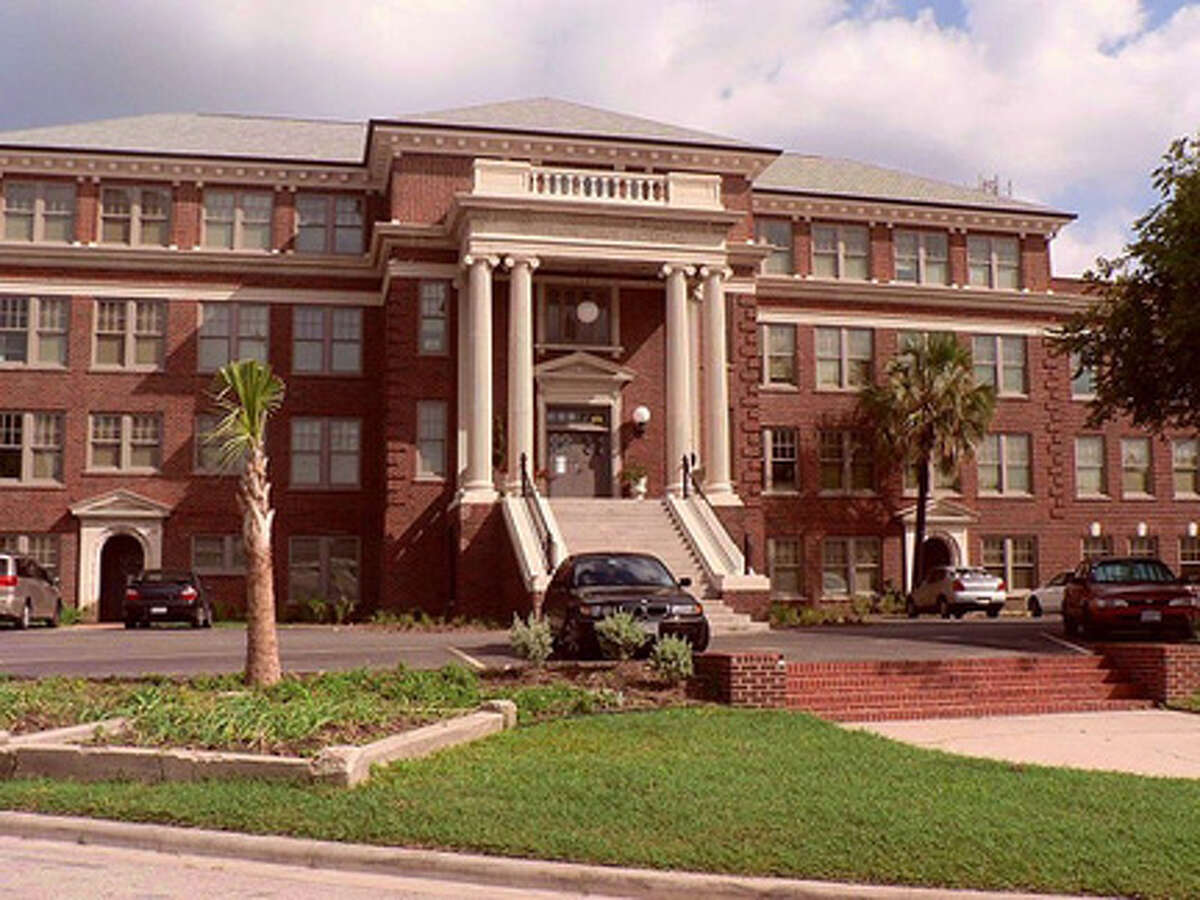
Since its establishment, Jefferson Davis Hospital had been training nurses. Through a partnership with Prairie View A&M College, the hospital continued to admit African-American students into the nursing program until 1948. Among other educational opportunities was a medical technology program initiated in collaboration with the University of Houston in 1943.
When Baylor College of Medicine relocated to Houston in 1943, many doctors from Jefferson Davis Hospital began teaching at the institution, and medical students gained practical skills at the hospital. In 1949, the hospital became an official branch of Baylor College of Medicine.
New building
The building could accommodate approximately 150 patients and had separate wards for black patients. Soon it became clear that there were not enough beds, so in 1930, construction began on a new hospital. In 1938, Jefferson Davis Hospital moved to Allen Parkway, into a 500-bed facility.
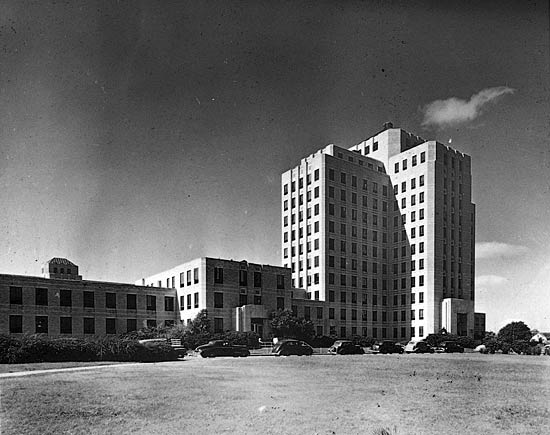
The hospital expanded due to the continued growth of Houston’s population. In 1949, a new 30-bed rehabilitation building was planned, but instead, the existing building was expanded into a two-story, 55-bed building. In 1951, it housed the Southwestern Poliomyelitis Respiratory Center.
In 1949, an expanded cardiology clinic opened, followed by a pediatric outpatient clinic and a psychiatric department in 1952. In 1956, the Houston Tuberculosis Hospital became part of Jefferson Davis Hospital. Due to overcrowding, 16 newborns died of staphylococcal infections in early 1958, leading to the construction of a maternity ward and a department for premature babies.
The problems of overcrowding and lack of funding and resources led to discussions about opening a new hospital in the Texas Medical Center. This resulted in the opening of Ben Taub Hospital in 1963, a licensed public charity hospital with 402 beds, where patients from Jefferson Davis Hospital were transferred. However, Jefferson Davis Hospital continued to function as a specialized hospital until its closure in 1989, treating patients with pulmonary, psychiatric, and tuberculosis diseases as well as serving as a place for childbirth. In 1979, it had the second-highest number of infant births of any hospital in the United States. Later, a clinic for AIDS patients was established there.
On June 3, 1989, Jefferson Davis Hospital closed because it did not meet the necessary conditions for patient care. The hospital management decided that reconstruction would cost as much as building a new one. To replace it, Lyndon B. Johnson Hospital opened in June 1989 in the city.
The Jefferson Davis Hospital building remained empty despite attempts to sell it. In 1999, a developer purchased the land with plans to build apartments on the site, so the hospital building was demolished. Subsequently, the Federal Reserve, the US central banking system, bought the land and built a bank on the site in 2005.
From multifunctional facility to artistic center
After the opening of the new hospital on Allen Parkway, the chairman of the institution, Ben Taub, opposed the sale of the old building on Elder Street. From 1938 to the 1980s, the building was used for various purposes. Initially, it housed a clinic for patients with venereal diseases and a 42-bed rehabilitation ward for the elderly, which operated under the management of social assistance.
In 1947, a 50-bed hospital was opened on its ground floor for recuperation, providing gradual restoration of health and strength after illness or injury. Patients from the new Jefferson Davis Hospital, who were not yet ready for discharge but had not fully recovered, were transferred here.
In 1953, thanks to donations, the Institute of Restorative Medicine was established in the old hospital. From the 1960s to the 1980s, the building functioned as a warehouse, and later, it remained vacant.
In the 1980s, the hospital became an icon of urban disease and a refuge for gangs and the homeless. In the movie RoboCop 2, it appeared as a drug lab. Decay and vandalism led to its abandonment until 2005, but people decided that the building was too gorgeous to let it rot.
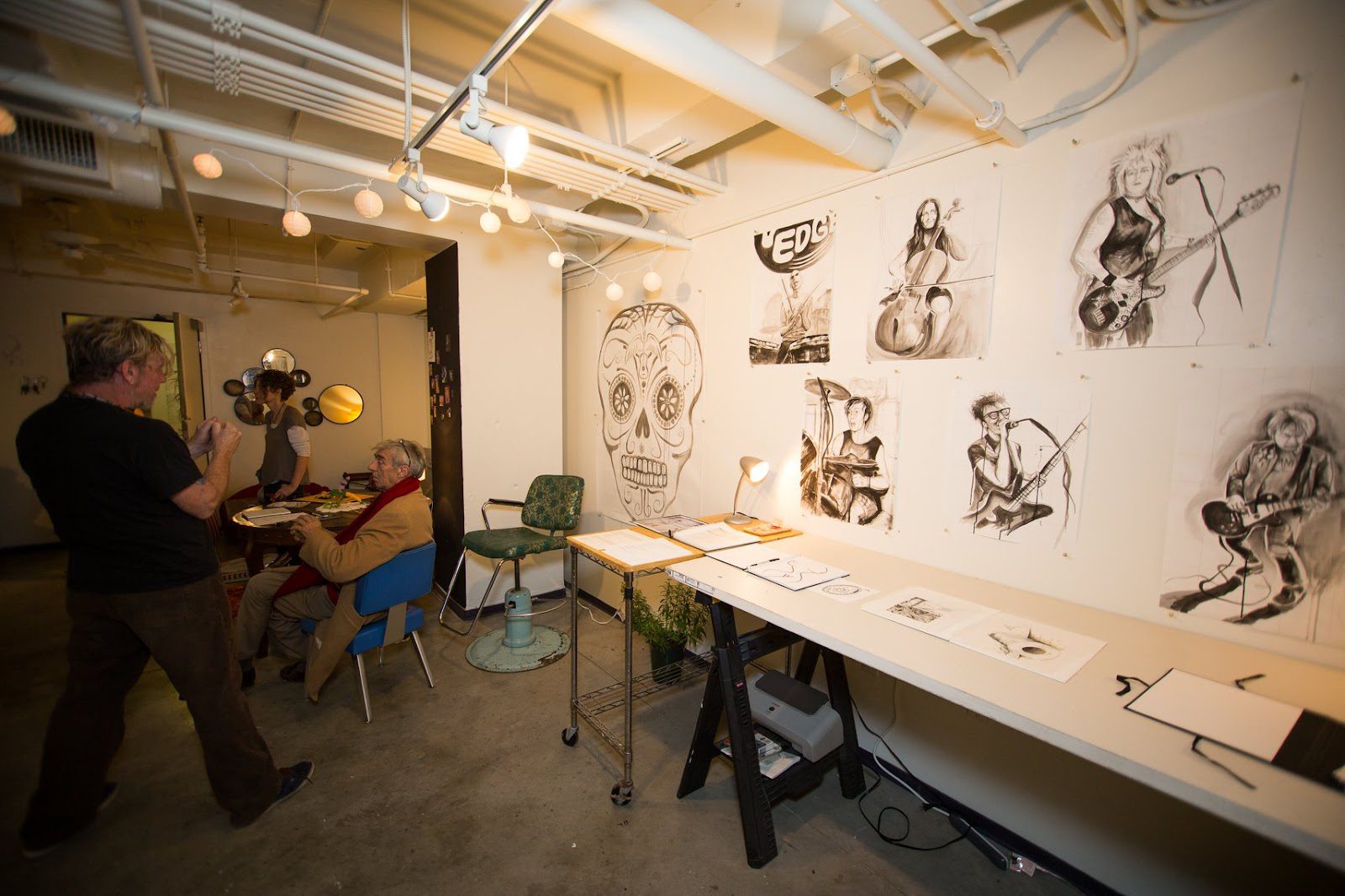
After renovation, the community of talented artists, Elder Street Artist Lofts, leased the building in exchange for light maintenance work. Since then, it has been private property, although it is still possible to get inside on Halloween parties. In 2013, the old hospital was declared a protected historic landmark in Houston.
Haunted place
Jefferson Davis Hospital on Elder Street was built on top of a cemetery where Confederate soldiers, slaves, patients who died of yellow fever and cholera epidemics, as well as city officials, were buried. People were buried here until 1895, after which the cemetery slowly fell into disrepair.
Then Houston politicians began discussing whether its land could be used for other purposes. In the 1920s, it was decided that the best idea would be to build a hospital on this sacred territory to provide affordable care to the city’s poor. The townspeople greeted this decision with skepticism and indignation. Officials promised that all the graves would be respectfully relocated, but further investigation revealed that only some had been excavated, as construction workers often came across skeletal remains.
The hospital basement was constructed above ground to avoid disturbing the dead. This explains why the place is so popular among ghost hunters. Strange things began happening from the moment the hospital was built. Many patients, visitors and staff reported eerie silhouettes in the corridor and heard strange sounds of screams and mumbling. The former nurses’ room is so frightening with its sounds in the attic and the spirit of a woman that even police dogs do not dare to enter.
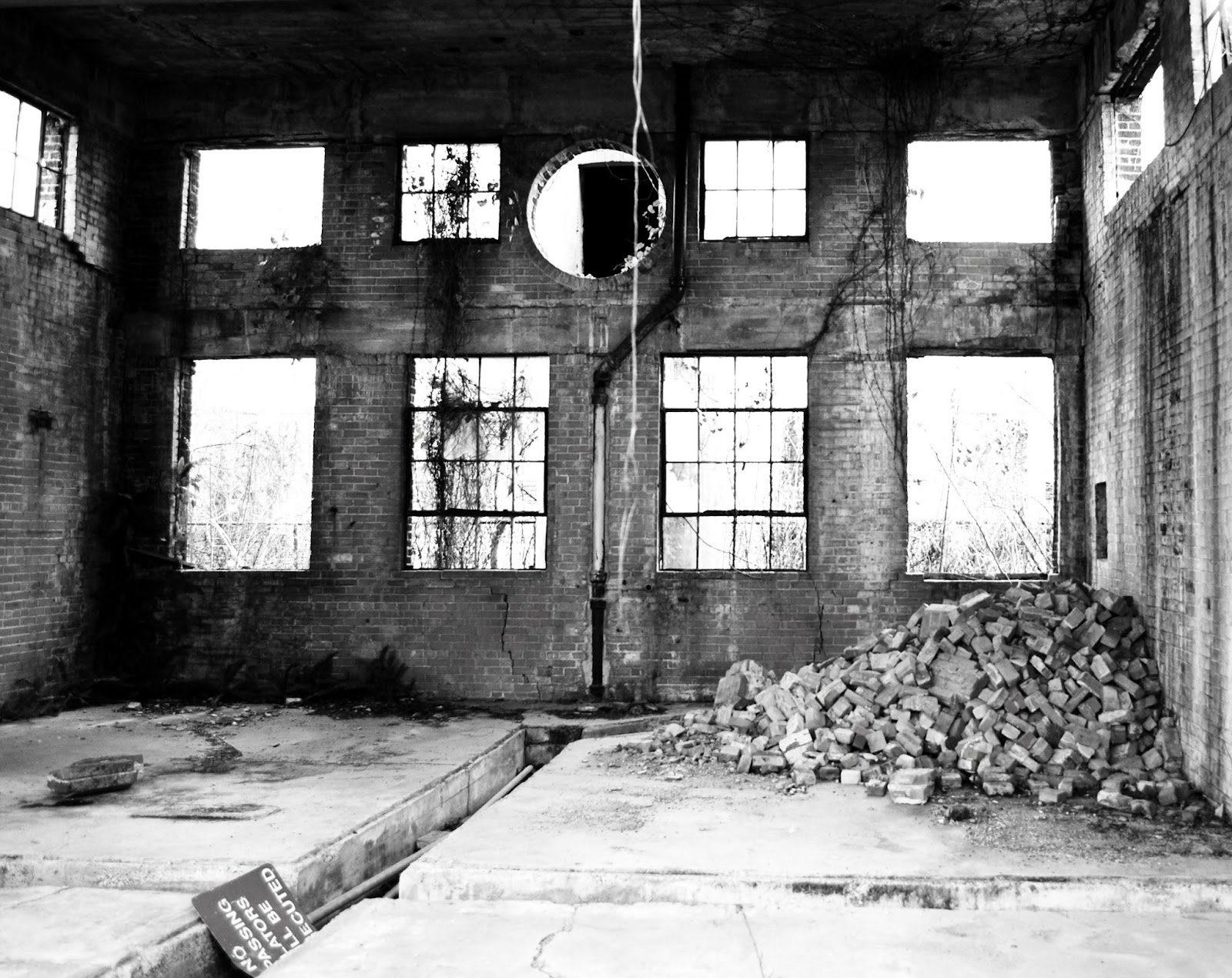
In 1985-2003, the hospital building was a favorite place among the locals for ghost hunting. Anyone interested in paranormal phenomena would go inside after dark, equipped with cameras and other tools. In 2003, a group of young hunters were robbed and injured by armed criminals. Following this incident, the building was closed to the public. Later, as mentioned earlier, the structure was renovated and rented by the Elder Street Artist Lofts community.