

In 1927, the Houston Negro Hospital (later Riverside General Hospital) opened its doors in Houston after the previous medical facility for the black community, Union-Jeremiah Hospital, proved to be too small for the city’s population. The hospital has experienced many transformations but has always remained committed to the black population, which did not receive adequate medical services elsewhere. Find out more at houston1.one.
Opened for financial and racial reasons
The Houston Negro Hospital was opened by leaders of the African-American community in Houston who did not want to be treated in other institutions for financial or racial reasons. Oilman Joseph Cullinan, who had previously supported Union-Jeremiah Hospital financially, donated $80,000 for the construction of the building.
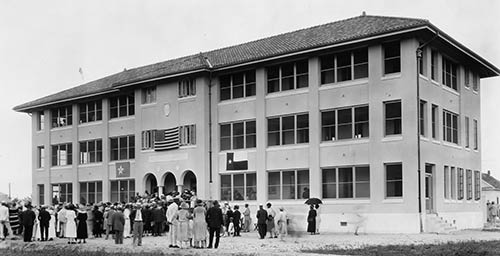
The city allocated land for the 50-bed hospital. Construction began in 1925, and on June 19 of the following year, the institution was consecrated. During the consecration, a bronze plaque was presented with the inscription that the building was constructed “in memory of Lieutenant John Halm Cullinan.” John Halm Cullinan was the son of Joseph Cullinan, who passed away during the First World War. The plaque also stated that the institution was dedicated to African Americans to promote self-help, ensure proper citizenship, and alleviate suffering and disease among them. Officially, the hospital opened in July 1927, becoming the first nonprofit hospital for black patients in Houston.
All-black staff
The hospital not only provided proper medical care for black individuals but also employment opportunities. The entire staff of the Houston Negro Hospital was black, a rarity in the United States at the time. The president of Houston College, Isaiah Milligan Terrell, even resigned to become the hospital’s first director.
The institution had an exclusively black board of directors, but the advisory board consisted of white leading citizens of the city. Black doctors such as Thelma Patten Law and George Patrick Alphonse Forde became community leaders who resisted white control of the institution. The physicians constantly mastered their medical skills and worked to ensure the hospital’s financial stability.
The hospital offered families a system of prepayment for medical services: for $6 per year, each family member had the right to free treatment. This system ceased to operate in 1938.
School for black nurses
In 1931, the Houston Negro Hospital School of Nursing was founded next to the hospital. It was the first educational institution established to educate black nurses in Houston.
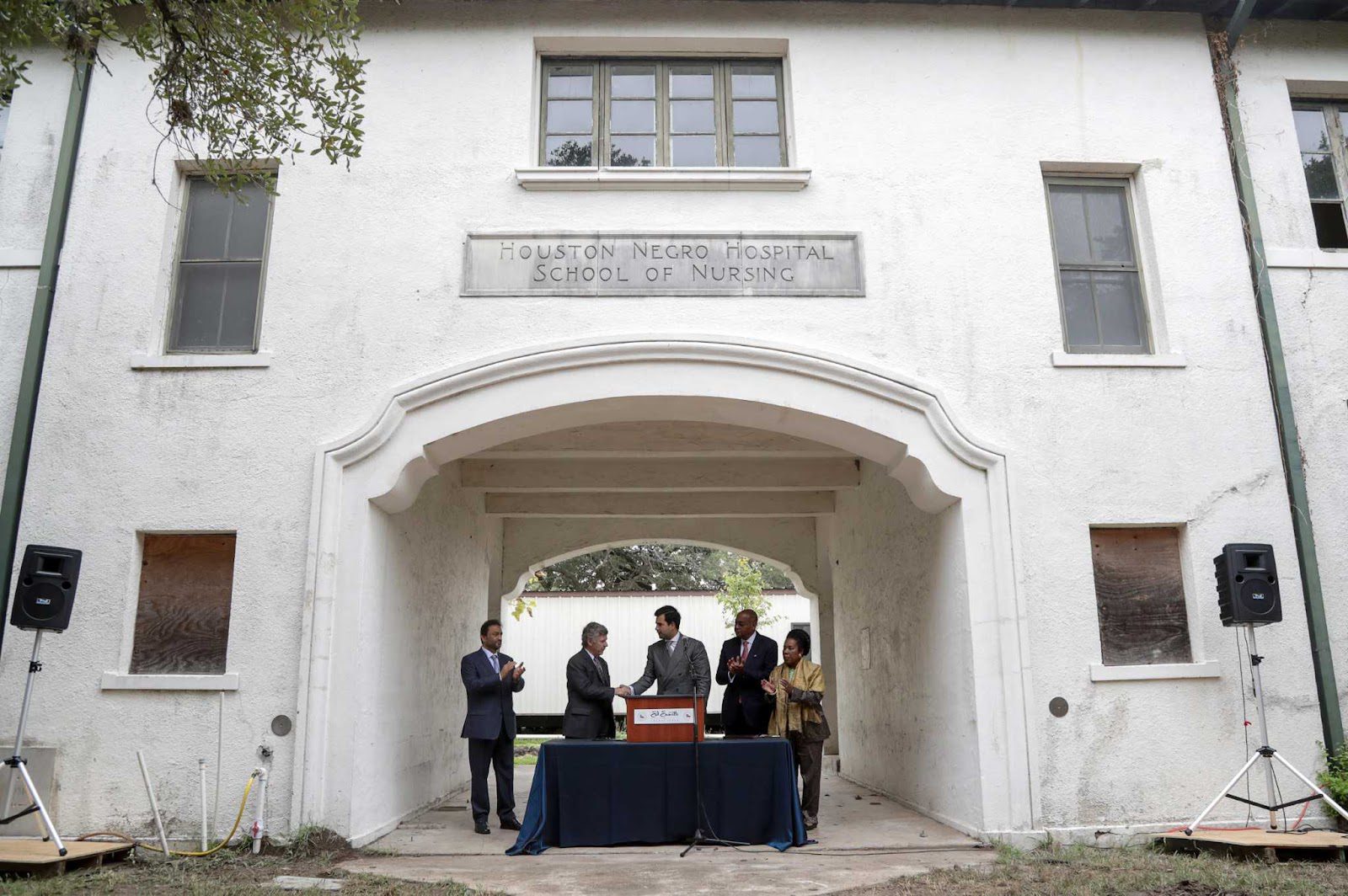
Funds for the construction of the school were provided by philanthropist Joseph Cullinan, who also provided funds for the construction of the entire hospital. The benefactor named the school in honor of his wife, Lucie Halm Cullinan, who passed away in 1929. The total cost of building the nursing school was over $40,000.
The low number of patients in the 1930s irreparably harmed the success of both the school and the hospital itself, which led to the closure of the educational institution in 1935. Since then, the school’s premises served as a living area for nurses working at the Houston Negro Hospital. From December 1950 until 1955, it housed a center for outpatients with cancer, run by the M. D. Anderson Hospital. In the 1970s, the old school was used as a clinic for drug addicts.
Improvements, renovations and name change
The Houston Negro Hospital was not successful during its initial years, primarily due to a catastrophic lack of patients. This was partly because many black Houstonians trusted the methods of treatment in white institutions, which were supposedly better staffed and equipped.
In the 1930s, several improvements were made to the Houston Negro Hospital, including a new X-ray room and laboratory. Additionally, a new form of insurance was introduced, guaranteeing treatment for all individuals. This increased confidence in the level of treatment, which led to a rapid rise in the number of patients.
During the Great Depression, numerous Houston and American hospitals closed due to financial issues. Black community leaders united to save the Houston Negro Hospital, which they managed to achieve. The hospital also got support from the general community in the form of donations.
For more than 40 years, the hospital suffered many transformations, with its founders and doctors striving to implement their healthcare system. In 1949-1952, the hospital was reconstructed. In 1961, a new wing was added to the building, costing more than $1,000,000. After this addition, the hospital was renamed Riverside General Hospital. The original hospital buildings were listed on the National Register of Historic Places in 1982.
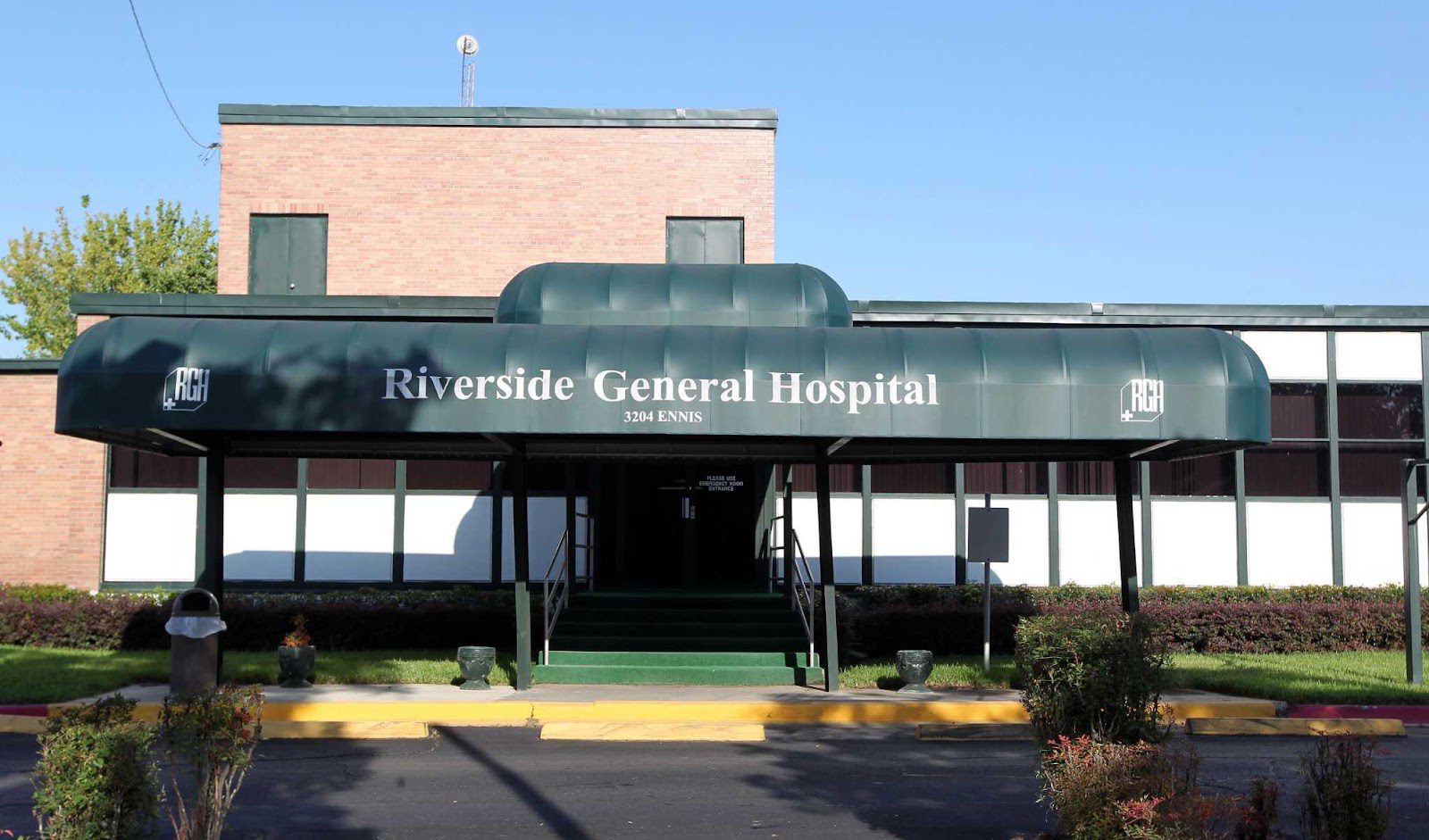
In the 1970s, Riverside General Hospital faced even greater financial difficulties as black doctors moved to other major medical institutions in the city, taking their patients with them. During the 1980s and 1990s, the hospital underwent reconstruction again.
After the reconstruction, the hospital began to provide more intensive treatment for substance abuse, a severe painful addiction to toxic substances. In 1995, the hospital acquired the Barbara J. Jordan Community Health and Wellness Center and the Edith Irby Jones Wellness Center. Until 2010, Riverside General Hospital united 6 local clinics that provided outpatient psychiatric services.
Scandals
In 1989, state health officials accused Riverside General Hospital of improperly treating patients, malnourishing them and violating standard hospital practices necessary to prevent infections and provide quality care.
During a week-long inspection of the hospital, state health inspectors gathered information for a 68-page report that listed hundreds of deficiencies. They documented cases where patients were given the incorrect medications or drugs to which they were allergic. Medication carts used in emergencies to treat patients with sudden heart failure were stocked with expired drugs or were not securely protected. Drugs that were meant to be secure were stored in carts with broken locks or in other places easily accessible to patients. Additionally, nurses failed to monitor patients’ food intake or measure their weight loss.
The investigation followed an analysis of nationwide Medicare mortality data, which ranked the Houston hospital in the bottom 50 out of 5,577 hospitals across the United States.

In the 2010s, Riverside General Hospital was also accused of mishandling funds and improper billing. The hospital’s headquarters closed in 2015, and three years later, Harris County bought the hospital and planned a major renovation. In 2020, Harris County Public Health was relocated to Riverside General Hospital. At the same time, a master plan was created to relocate Harris Center, Lone Star Circle of Care, to this hospital. In 2022, Riverside General Hospital already had 88 emergency beds and over 100 inpatient beds.