

Schools in Houston began opening with the arrival of the first settlers. Initially, most teachers were women who had free time to dedicate to instruction. As the city developed, professional educators were invited to teach. We’ll explore the working conditions and social status of an educator in Houston at the beginning of the 20th century below on houston1.one.
The Education System and the Teacher’s Status
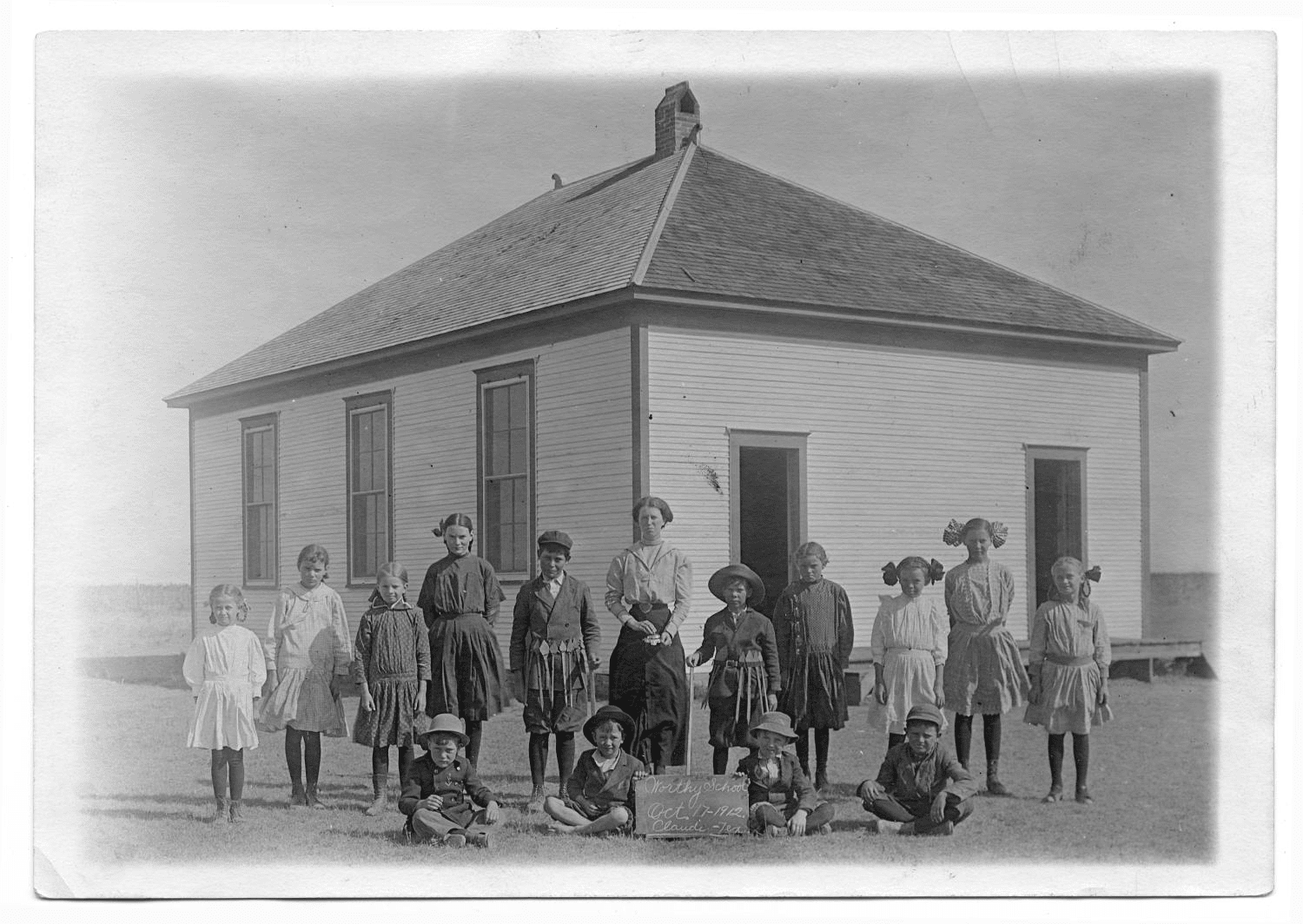
From the very start of Houston’s existence, education was given significant attention. Mothers initially organized classes, often gathering at someone’s home where the most educated woman would lead the lessons. Later, churches became involved in teaching, typically holding classes on Sunday after the service. Most of this instruction offered only a superficial grasp of various subjects.
However, this arrangement wasn’t suitable for anyone. Children needed to learn, and their education had to be thorough and appropriate. By the beginning of the 20th century, Houston embraced three main educational principles.
- Schools must be free.
- Teachers must have a proper education.
- All children, without exception, have the right to an education and to freely attend school—though this came with caveats regarding segregation.
Consequently, the city government allocated considerable funds for building new schools. The main challenge was finding teachers, so educated instructors were recruited from other regions. Until 1923, Houston’s school system was still in a developmental phase. Educational institutions were local in character. They were subordinate to municipal organizations, and less frequently, to private or religious communities.
A teacher’s qualification typically involved basic training. Compared to modern standards, an ordinary school teacher’s knowledge was only on par with a decent modern student. But they couldn’t afford to be choosy. Therefore, the Houston community gladly welcomed anyone willing to take up the post of educating the young generation.
Teacher Requirements
Starting in 1923, the Houston Independent School District (HISD) was established, and education in the region began to change. Requirements for teachers were also updated.
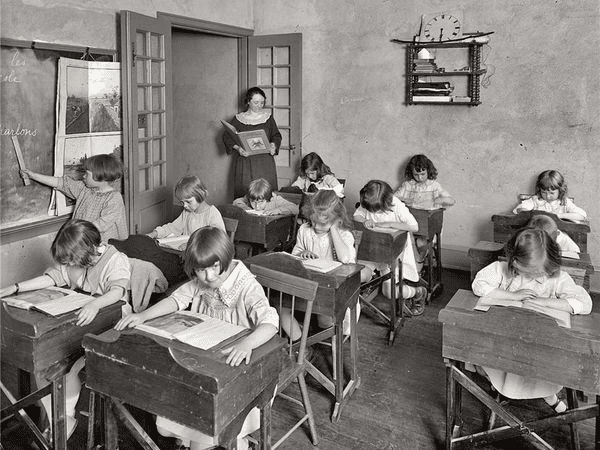
- Education and Training. Educators had to be knowledgeable in their subject. A college degree was not mandatory, but most teachers at the time had one or two years of college education. An examination was often required for prospective teachers before they could begin instruction. They also had to demonstrate successful teaching experience.
- Certification. Teacher recognition was becoming increasingly standardized, shifting from a localized system of county exams to a statewide process. In Texas, county-level certification was abolished starting in 1911. A special superintendent was responsible for issuing state-standard certificates, which were valid across the entire state. The type of certificate determined the level and kind of school where a teacher could work.
- Gender Policy. By the early 20th century, women became the dominant force in the teaching profession, particularly at the elementary school level. However, despite rising qualifications, a pay gap often existed between male and female teachers.
- Moral Character. Besides academic qualifications, a teacher’s moral character was a critical factor in hiring, assessed by local school boards or trustees. Teachers were expected to be a moral example for their students and uphold specific community values.
- Racial Segregation. In the early 20th century, schools in Houston were racially segregated. African American teachers worked in separate schools for Black students. These schools were typically provided with fewer resources and inferior working conditions.
A Teacher’s Daily Life and Working Conditions
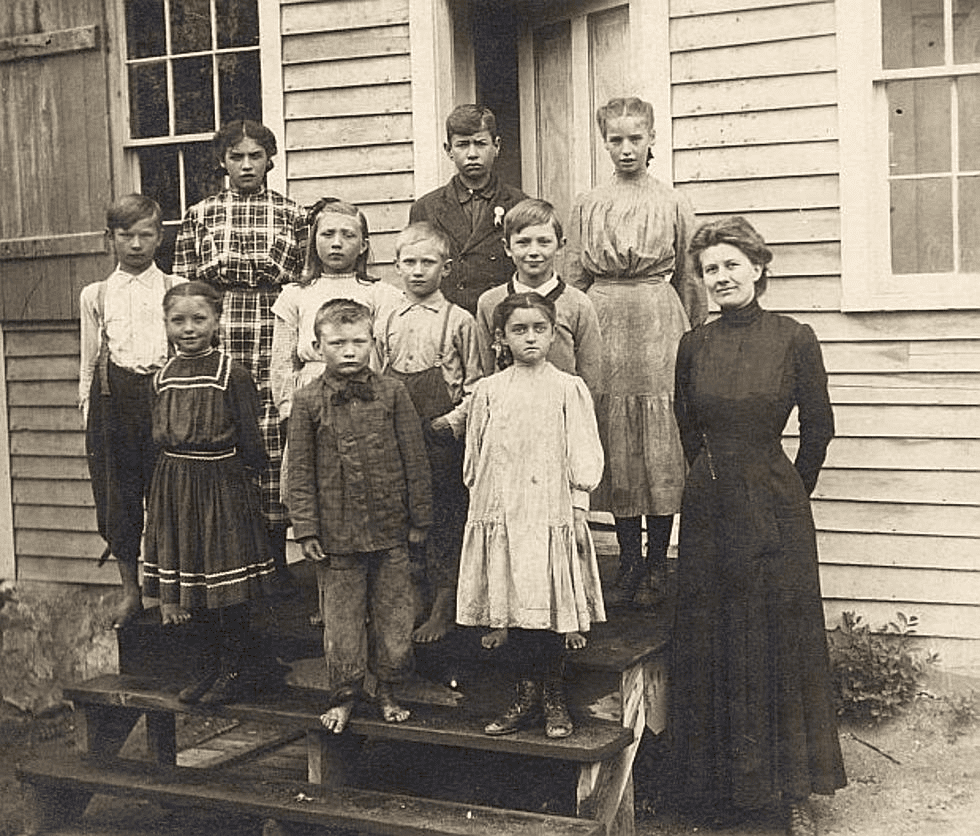
Despite the fact that a teacher’s status was considered high in society, their reality was not entirely appealing. A teacher, especially a female teacher, was under the scrutiny of every member of society. Instructors had to adhere to a strict moral code. They were not allowed to be out in public unchaperoned. Attending a dance or even the theater without administrative permission was considered scandalous. Smoking or inviting a member of the opposite sex to their home was completely unacceptable. Marriage could even be grounds for dismissal.
Salary and Financial Conditions
Teachers in Houston at the beginning of the 20th century received low wages, averaging between 30 and 60 dollars per month. This amount was only enough for the most basic necessities. A teacher’s salary was significantly lower than that of an engineer or doctor. Female teachers often received less pay than men, which was typical for the time.
Classrooms and Working Environment
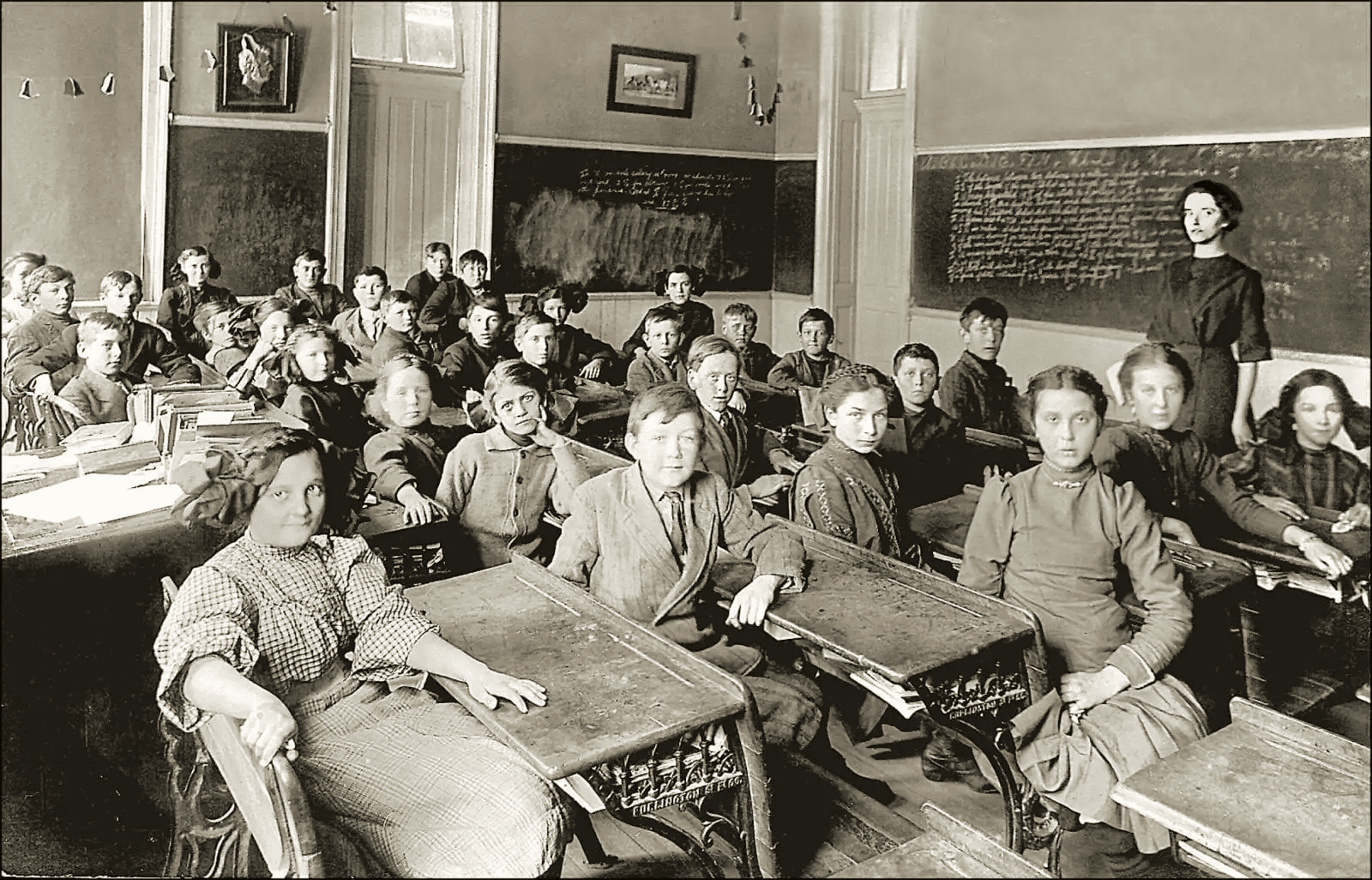
Schools were small, often one-room buildings. A single teacher taught several age groups at once, making it extremely difficult to organize quality instruction. Classrooms lacked central heating. Stoves were heated with wood or coal, and the teachers themselves often performed the duties of a stoker. Their responsibilities also included cleaning the school.
Teaching materials were very limited. Typically, this meant a blackboard, chalk, and a textbook. Owning a map or a globe was considered a great luxury.
Work Schedule and Workload
The school year lasted 5–6 months. In rural areas, where children worked on farms, the year might be shorter. Teachers worked six days a week, often for 10–12 hours a day.
Discipline was strict. Students could receive corporal punishment for infractions, which was accepted as the norm at the time.
The Standard of Living for an Average Houston Teacher
To compare how the teaching profession changed in Houston, we compared 10 key professional factors over time, with a fifty-year difference between each subsequent year. Here’s what we found.
| Metric | 1900 | 1950 | 2000 | 2025 |
| 1. Salary | $300/year (≈$25/mo.) | $3,000/year (≈$250/mo.) | $38,000/year (≈$3,166/mo.) | $60,000–75,000/year (≈$5,000/mo.) |
| 2. Social Status | Low | Medium | Medium-High | Stable, respected |
| 3. Development Opportunities | Limited | Moderate | High (training, certifications) | High (online support, grants) |
| 4. Educational Level | College degree not mandatory | College degree desirable | Bachelor’s, Master’s | Mandatory Master’s, certifications |
| 5. Workload | 50+ hours/week | 40–45 hours/week | 40 hours + extracurricular activity | Balance with remote work |
| 6. Living Conditions | Room in a boarding house or school | Own home via mortgage | Mortgage or apartment rental | Own home or rental with benefits |
| 7. Social Guarantees | Minimal | Partial health insurance | Full benefits package | Extended benefits, pension, insurance |
| 8. Technical Equipment | Chalk, board, books | Chalk, textbooks | Computer, projector | Digital boards, tablets, EdTech |
| 9. Community Influence | Local, restricted | Respected community member | Influential, participant in education policy | Key community figure, consultant |
| 10. Job Satisfaction | Moderate | High (in post-war period) | Declining | Gradual growth due to reforms |
Conclusion
The job of a teacher in Houston at the beginning of the 20th century was demanding, low-paying, and subjected to strict moral standards. Despite this, it was these educators who laid the foundation for the city’s modern education system, which later became one of the largest educational centers in the United States.