

Success in business takes patience, determination and an entrepreneurial spirit. Houston businessman Jesse H. Jones had all these qualities and managed to become a giant in the Houston business community. He was the CEO of one of Texas’s largest and most influential companies, and his skyscrapers transformed the landscape of the largest city in the state. He was also one of the few Texans to serve in the presidential cabinet. Learn more about the life and career of the businessman and civil servant at houston1.one.
Farmer’s son
Jesse Holman Jones was born on April 5, 1874, in Robertson County, Tennessee, and was the fourth of five children in the family. Jesse’s mother, Laura, died when he was six years old. In 1883, along with his children, as well as his sister and two of her sons, his father William relocated to Dallas, Texas. In Dallas, William’s brother ran a successful timber business.
When Jesse’s father gained a fortune from his brother’s enterprise, he returned to Tennessee with his family, where he expanded the farm and built a luxury home. Jesse was twelve at the time. The family farm provided enough meat and food to share with the neighbors.
From an early age, William instilled in his children that money must be earned. He gave his three sons a small plot of land where they could produce their own tobacco and manage their income as they pleased. Jesse, the youngest, worked hard on his plot and was granted permission to manage a small tobacco processing factory at the age of 14. As a result, the boy dropped out of school to pursue a business career.
Relocation and establishment of a company
In 1891, Jesse came to Hillsborough, Oregon, to work at his uncle’s timber business, keeping records and collecting debts. He was soon relocated to the company’s headquarters in Dallas, where he worked for 6 months as a manager. When his uncle died, Jones was named CEO of his company.
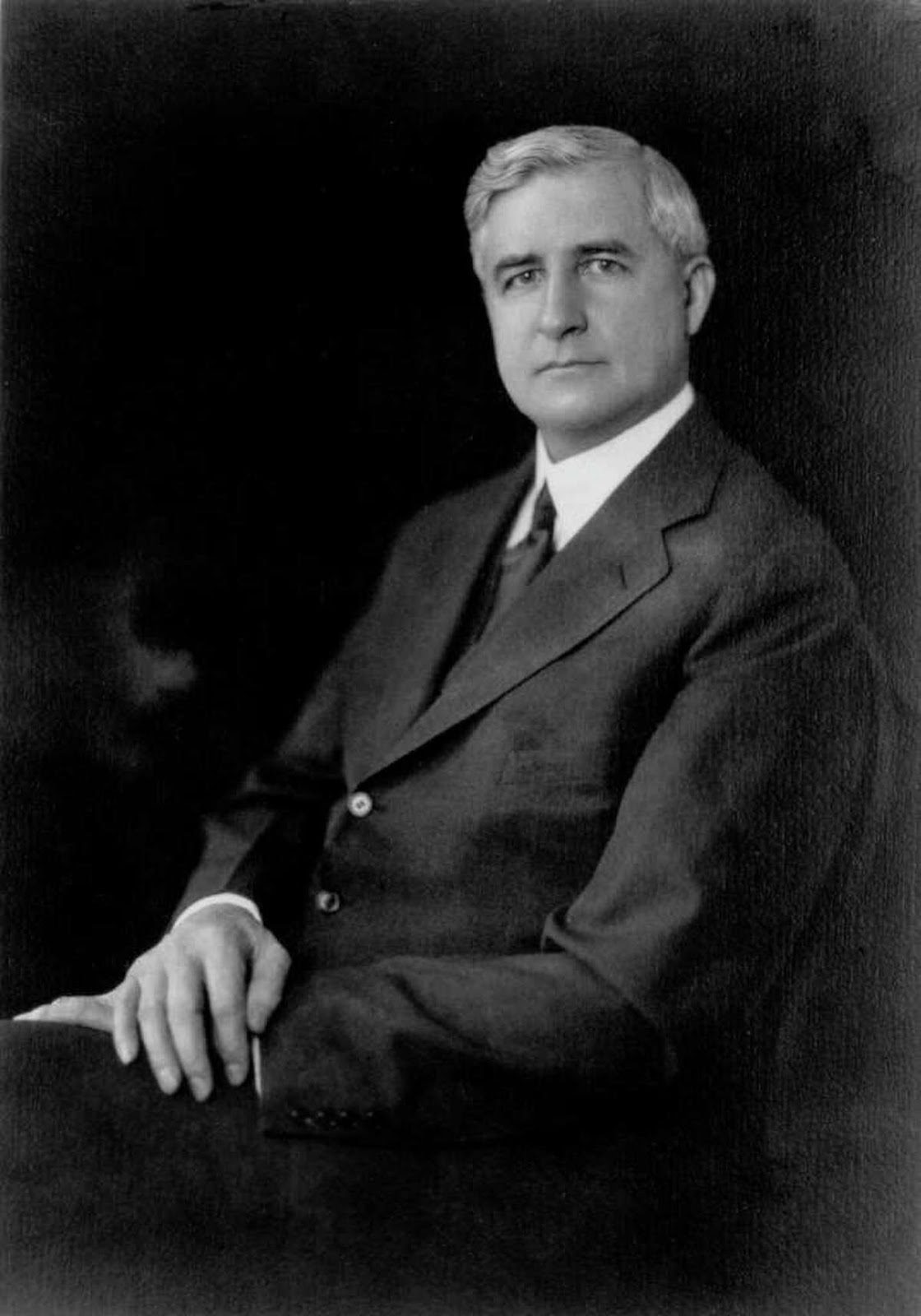
In 1898, Jones moved to Houston. Here, in 1902, he established the South Texas Lumber Company, which he turned into a million-dollar enterprise within a few years. From 1908 until 1918, he led the Texas Trust Company and was actively involved in most banking and urban real estate operations. Until 1912, he served as president of the Texas Commerce Bank. In addition, he was a shareholder of the ExxonMobil Oil Corporation.
Active developer
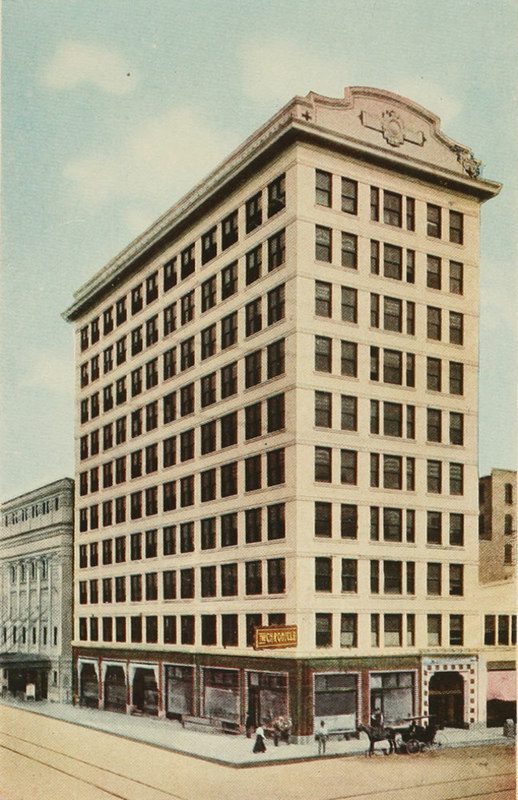
The ambitious businessman rose to prominence as Houston’s largest developer at the time. In 1906, Jones purchased a 50% share in the Houston Chronicle daily city newspaper from founding editor Marcellus Foster. Together, they made this publication one of the most prominent in Texas. In 1908, Foster persuaded Jones to construct the Chronicle Building as a new office for the newspaper, which became an important landmark in the developing city center.
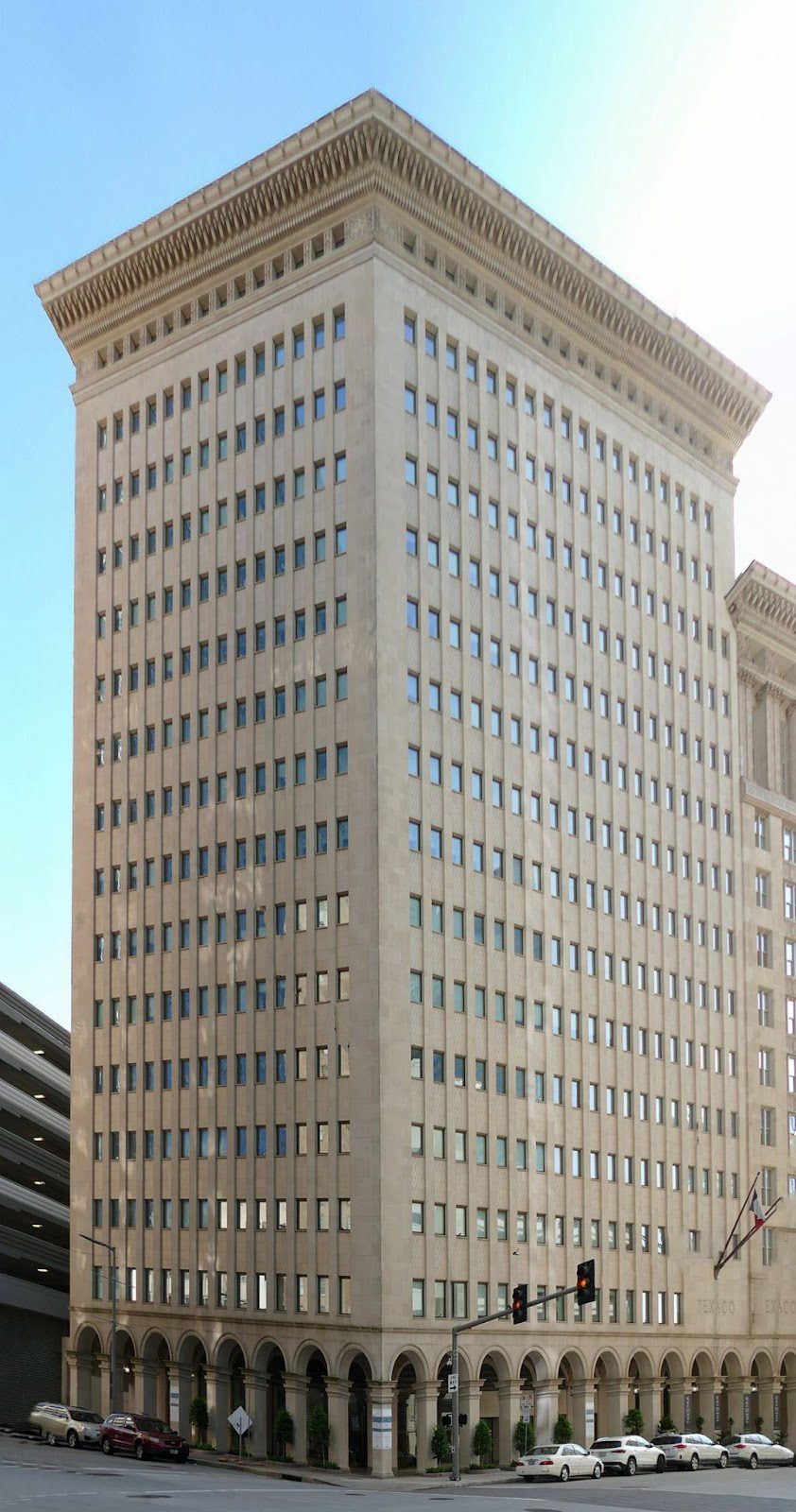
In 1906, Jesse also secured a contract to construct a significant extension of the Bristol Hotel as well as the new headquarters of the Texaco oil and gas company. In 1915, he constructed a 17-story headquarters that became a prominent landmark in downtown Houston.
In 1911, Jones bought the Rice Hotel from Rice’s private research university, demolished the old building, and replaced it with a 13-story structure. As a millionaire, he continued to invest in new construction projects and businesses.
Interested in expanding Houston as a port city, Jones led a campaign in 1911 to establish the Port of Houston Authority. The organization was engaged in improving the waterways leading to the city and expanding port infrastructure. It marked the creation of the Houston Ship Channel. In total, Jones built more than 30 buildings in Houston, the majority of which were skyscrapers.
Influence through the press
Through the Houston Chronicle newspaper, Jesse established the Goodfellows program, which assisted the city’s underprivileged children. During World War I, when the United States troops were fighting in Europe, the entrepreneur raised donations for the American Red Cross.
In the 1920s, the businessman strongly supported the editorial campaign of Marcellus Foster against the Ku Klux Klan. In 1926, when Foster retired, Jones bought out the remaining half of the Houston Chronicle company and became its publisher. The influence of the publication was so great that, in 1928, Jones was able to convince Democratic Party officials to call a National Convention in Houston to nominate candidates in Texas.
In 1930, Jones purchased the American radio station KTRH and relocated its main studio from Austin to Houston, specifically to the Rice Hotel, the penthouse of which served as the main residence of the businessman for a long time.
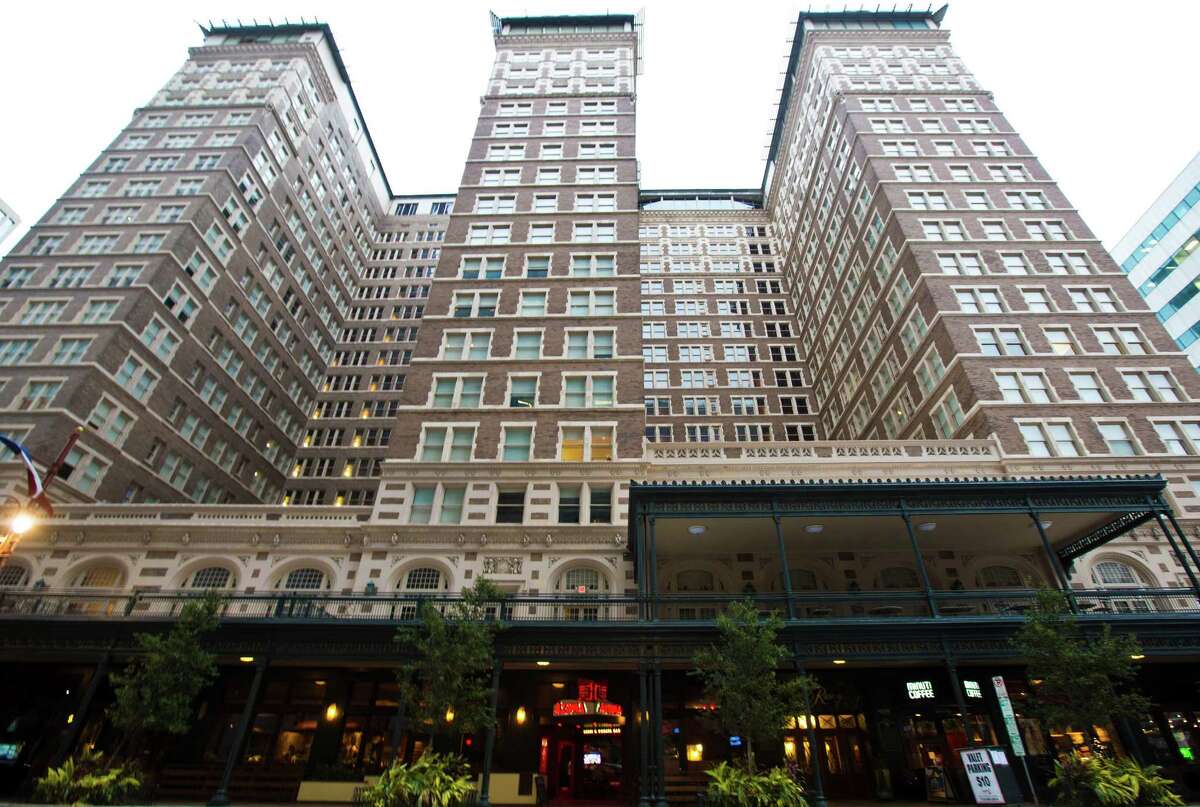
Rice Hotel
Public service
In 1912, Woodrow Wilson, the newly elected President of the United States, offered Jones the position of United States Secretary of Commerce. Jesse, however, chose to stay in Houston to pursue his own business interests.
From 1933 until 1939, Jones served as chairman of the government management body Reconstruction Finance Corporation (RFC), which was formed by then-US President Herbert Hoover. During Jesse’s tenure, the agency made loans to railways and financial institutions in order to promote commerce. In 1939, he resigned to become director of the Federal Loan Agency. In this position, Jones oversaw housing administrations, some banks and loan companies.
In 1940, the businessman was appointed secretary of commerce by Franklin D. Roosevelt’s administration. In this position, Jones contributed to the use of US industrial production for the needs of the Army during World War II.
In 1945, Jones resigned from the civil service at the request of President Roosevelt, who sought the position for Jones’ competitor, former Vice President Henry Wallace. Jesse returned to Houston, where he proceeded to publish the Houston Chronicle and engage in profitable investments and business ventures.
Personal life
In 1920, at the age of 46, Jones married Mary Gibbs. They had no children of their own, although they did raise one of Gibbs’ granddaughters. Interestingly, Mary was previously married to Jesse’s cousin, Will Jones.
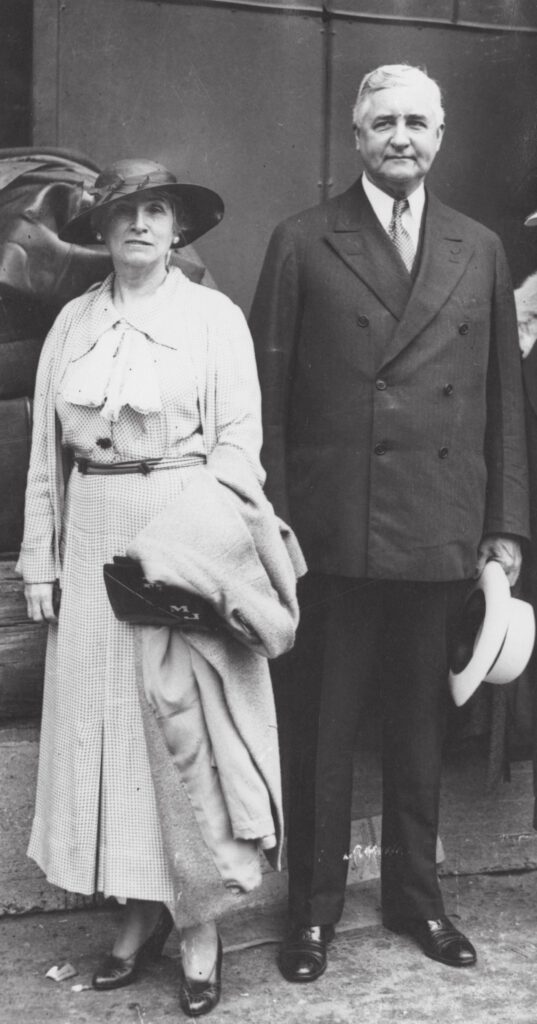
Jesse and Mary resided at the Rice Hotel until 1926, before moving into a penthouse at the new Lamar Hotel. Audrey Jones, Mary’s granddaughter, lived with them. Other members of the extended Jones and Gibbs family had apartments in the same hotel.
In 1937, the couple founded the Houston Endowment nonprofit organization to improve the quality of life of people in Houston and ensure the city’s continued prosperity. The goals of the organization were to improve public education, encourage informed civic engagement and develop arts, cultural institutions and green places in Houston. The couple offered hundreds of scholarships to Texas students.
The successful Houston businessman died on June 1, 1956, at the age of 82. The man was laid to rest in Houston’s Forest Park Cemetery. In 2009, he was inducted into the Texas Newspaper Hall of Fame. Many universities and schools, including the University of Texas College of Communication, are named after Jones. His business ambitions and philanthropy have earned him worldwide respect. Jesse played a critical role in preserving American capitalism during the Great Depression and World Wars.