

Director and screenwriter Wes Anderson has gained fame for the distinctive visual aesthetics of his films and his longstanding cooperation with screenwriter and actor Owen Wilson. His films stand out for their eccentricity, vibrant color palette, unique visual and narrative styles, as well as the use of a large cast. They are mostly about grief and dysfunctional families. Read more about the path and works of this legendary filmmaker at houston 1.one.
Early years
Wesley Wales Anderson was born on May 1, 1969, in Houston, to a realtor and an archaeologist mother and an advertising and PR expert father. When Wes was 8 years old, his parents divorced.
He attended St. John’s School in Houston. From an early age, Anderson made silent films with his father’s camera. He invited his brothers and friends to act as actors, although his primary aspiration was to become a writer. While studying philosophy at the University of Texas at Austin, Anderson worked as a projectionist at the Hogg Memorial Auditorium student theater.

Fateful meeting
At the university in 1989, Anderson met Owen Wilson, with whom he shared a room. Their meeting turned into a long-term collaboration. Even before Anderson graduated, he and Wilson wrote a script for the short crime comedy Bottle Rocket (1994), directed by Anderson himself and starring Wilson and his brother Luke.
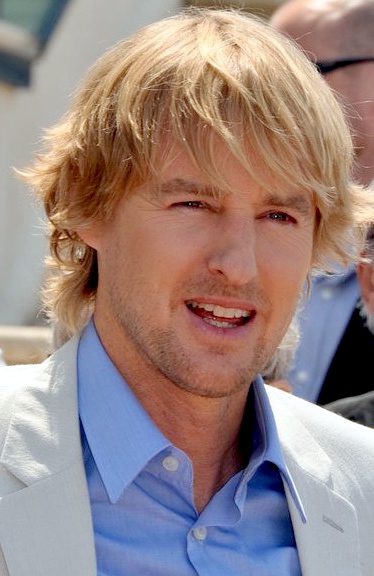
This short film drew the attention of director and producer James L. Brooks, who financed a feature-length version of the film. Under the same title and with the same cast, the film was released 2 years later, becoming Anderson’s first feature movie.
After their successful debut, Anderson and Wilson wrote the screenplay for Rushmore (1998), a dramedy about an eccentric teenager Max Fischer, his friendship and infatuations. Anderson’s third cooperation with Wilson is the comedy-drama The Royal Tenenbaums (2001), a comic research into the dysfunctional adult life of a family of prodigies. At that time, it was Anderson’s most visually sophisticated film, consisting of carefully composed shots, well-realized sets and other stylistic delights. The film earned Anderson and Wilson an Oscar nomination for Best Original Screenplay.
Genius director
In 2004, Anderson directed a comedy film called The Life Aquatic with Steve Zissou about an adventurer similar to Jacques Cousteau. Three years later, the world saw the comedy-drama The Darjeeling Limited. It tells the story of estranged brothers who travel by train to India to visit their mother after their father’s death.
In 2009, Anderson released Fantastic Mr. Fox, a puppet animation based on the book The Fantastic Mr. Fox by children’s writer Roald Dahl. This is Anderson’s first cartoon. In the comedy-drama Moonrise Kingdom (2012), Anderson presented a tender and humorous story of teenage love. The action takes place in a small town in New England in the 1960s. The script, written in collaboration with Roman Coppola, earned Anderson another Oscar nomination.
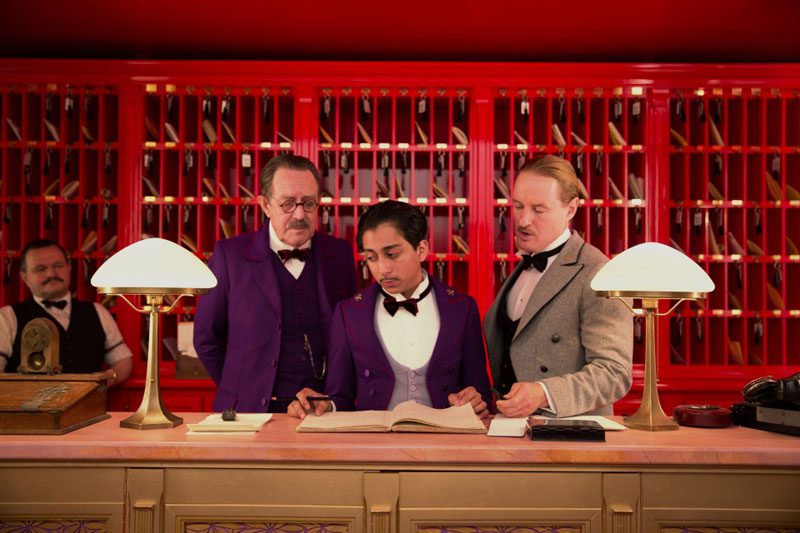
The Houstonian also created the American-German tragicomedy film The Grand Budapest Hotel (2014). The action takes place in the fictional Central European country of Zubrowka between the two world wars. Its name comes from the Polish vodka Zubrowka, the country has fictional Zubrowka Alps, and the country itself is similar to Hungary or Bohemia. The film received an Oscar nomination for Best Director and Best Picture, as well as won the Golden Globe for Best Motion Picture – Musical or Comedy and the BAFTA Award for Best Original Screenplay.
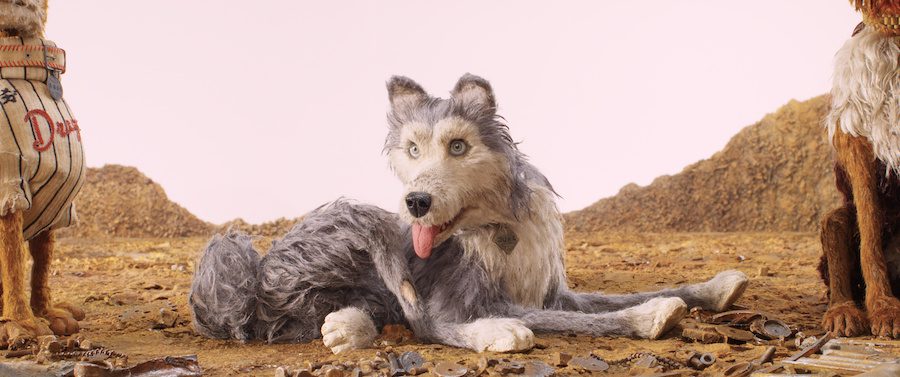
Anderson returned to stop-motion animation for the puppet animated adventure fantasy Isle of Dogs (2018), where all the dogs in the fictional city of Megasaki are exiled to Trash Island. When a 12-year-old boy tries to rescue his beloved pet Spots, a pack of dogs joins in his quest.
The 2021 feature film The French Dispatch of the Liberty, Kansas Evening Sun is a “love letter to journalists”. The film tells various stories that formed the basis of the final issue of the supplement to the newspaper’s magazine.
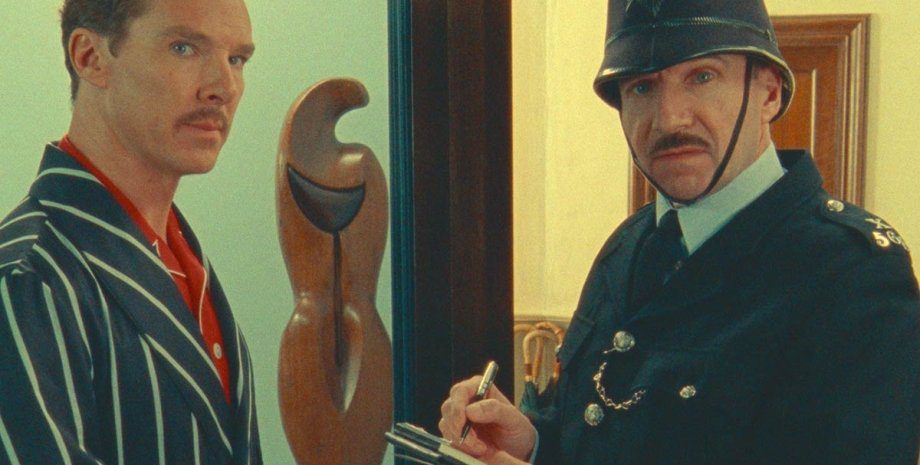
In 2023, viewers were treated to The Wonderful Story of Henry Sugar, starring Benedict Cumberbatch. It is a short adventure comedy based on the eponymous novella from the collection of stories The Wonderful Story of Henry Sugar and Six More by Roald Dahl.
The same year, Asteroid City was released, a film written, directed and co-produced by Anderson. The film stars world-renowned actors such as Scarlett Johansson, Jason Schwartzman, Maya Hawke and Margot Robbie. The events of the comedy melodrama take place back in 1955 in a small provincial town. Thousands of years ago, an asteroid crashed in the region, creating a huge crater. Later, a town emerged near the crater, whose inhabitants organize the annual Asteroid Day, a gathering of astronomy enthusiasts who watch the stars.
Anderson’s peculiarity of film style
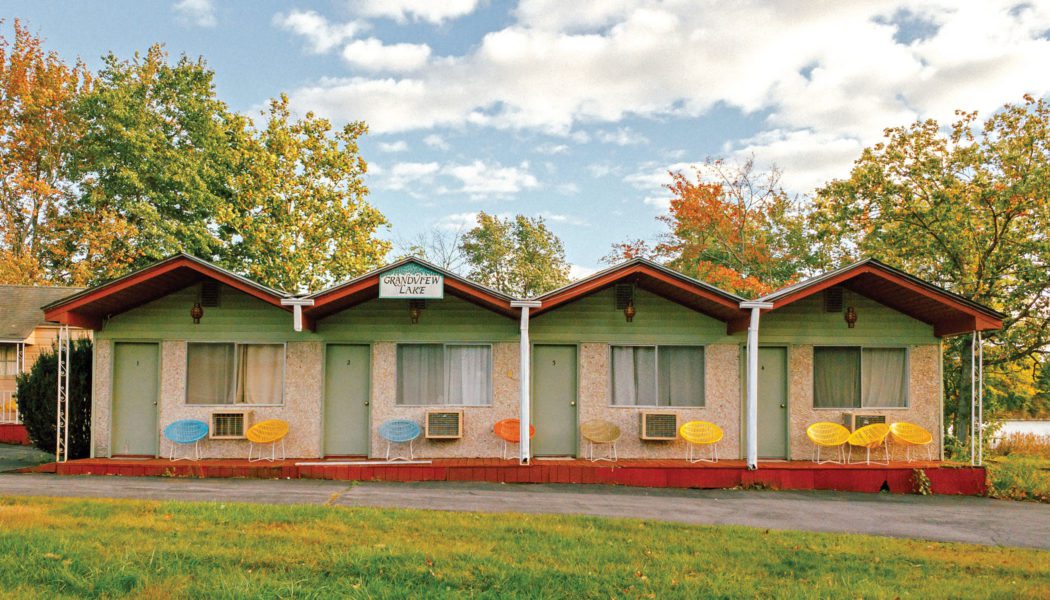
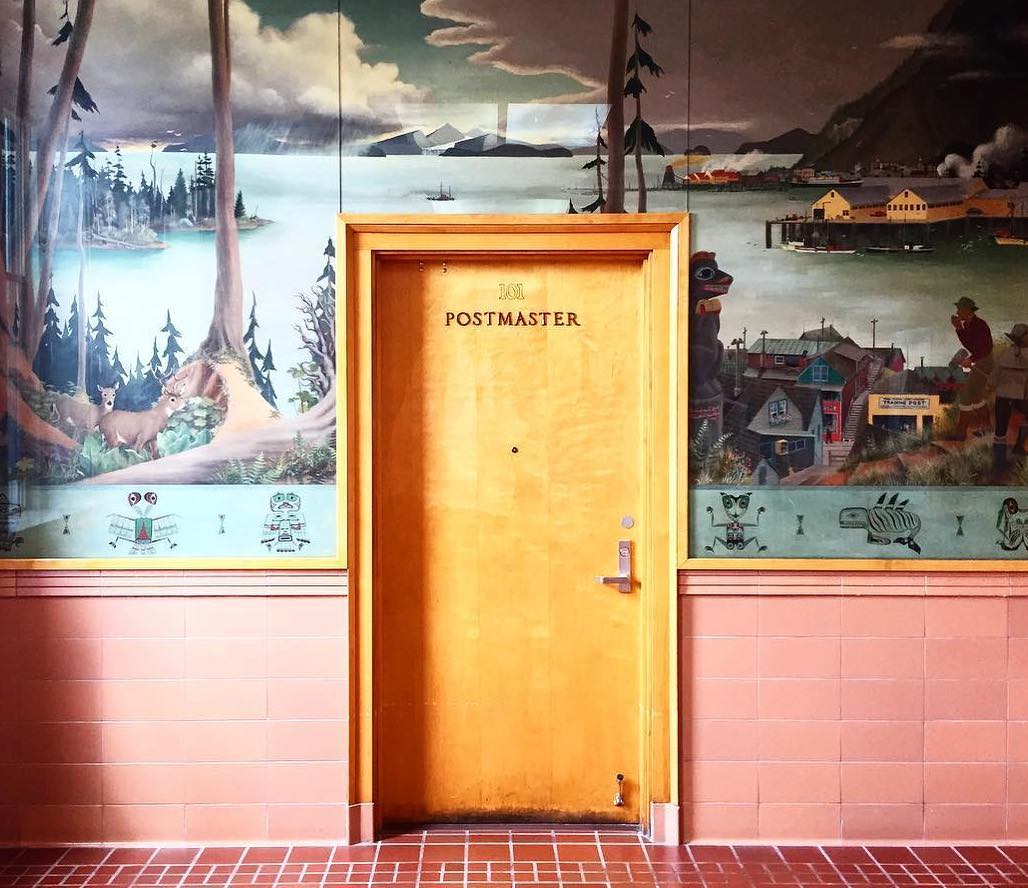
Wes Anderson’s visual approach to cinema has spawned a trend on social media. In 2017, the Accidentally Wes Anderson page appeared on Instagram and became extremely popular thanks to photos of real places that match the aesthetics of Anderson’s films, usually bright symmetrical buildings. For example, the Milan subway is considered “Andersonian” due to its symmetrical design, pastel blue walls and bright yellow handrails.
Numerous film researchers have identified the main components of Anderson’s style, including:
- frontal camera angles
- the stage shot
- symmetrical framing
- overhead shots (from a bird’s-eye view)
- still camera or camera movement in the foreground
- slow motion
- a montage sequence with soundtrack (often featuring rock or peculiar instrumental music)
- harmonious color palettes.
At the same time, these “ingredients” need to be combined in the right amounts. For example, a typical combination of stylistic features can be seen in Anderson’s third feature film, The Royal Tenenbaums (2001). This film is notable for its consistent use of images where the characters are formally positioned in the same plane, facing the viewer. Such images are immediately recognizable as they create a stunning composition and dramatic effect.
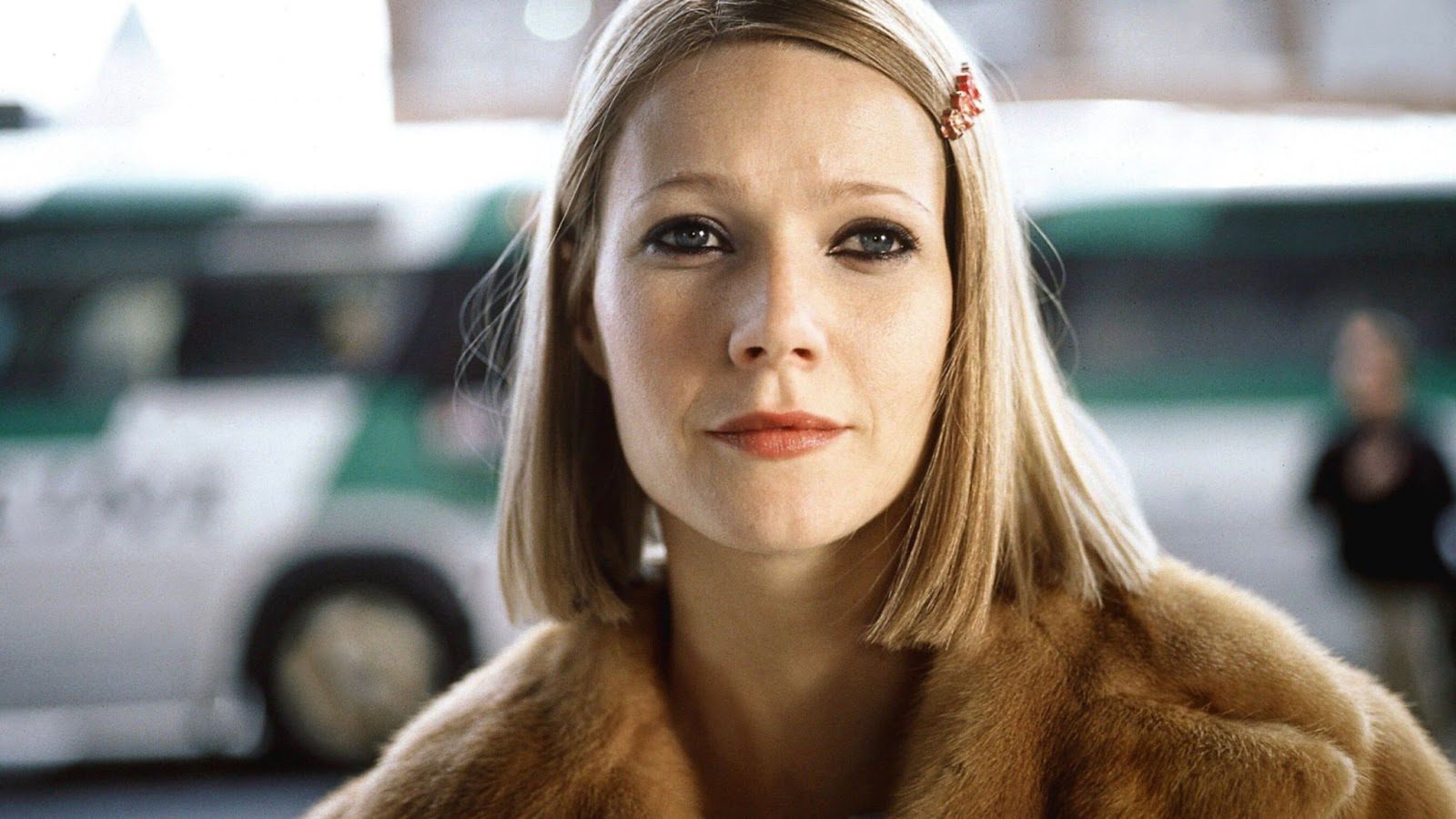
The film begins with a static, symmetrical picture of a library book, shot from a bird’s-eye view, with the camera pointing straight down at the library stand. In this way, the opening shot combines no less than 5 functions: frontal camera angle, stage shot, symmetrical framing, overhead shot and still camera.
The specific features that the director combines in his films are not accidental. Instead, they all perform the same functions: to draw attention to themselves and distance the viewer from the characters. Anderson rejects classical narrative methods and instead adopts a reflexive type of filmmaking, where the act of seeing is limited to a distant clinical observation of strange characters living in non-standard story worlds.
Personal life
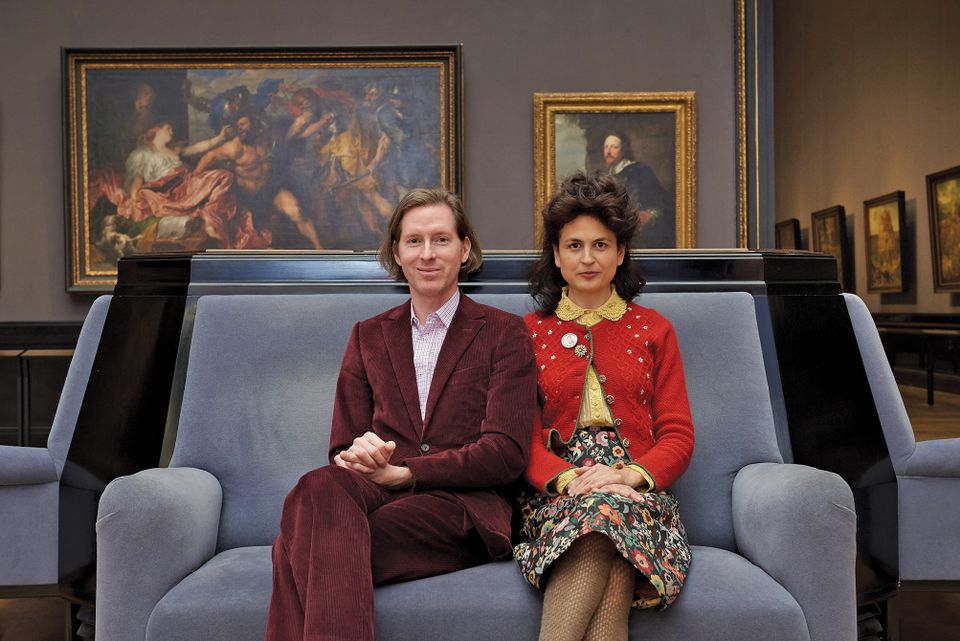
In 2010, Anderson entered into a romantic relationship with Lebanese writer, costume designer and voice actress Juman Malouf. In 2016, the couple had a daughter.